
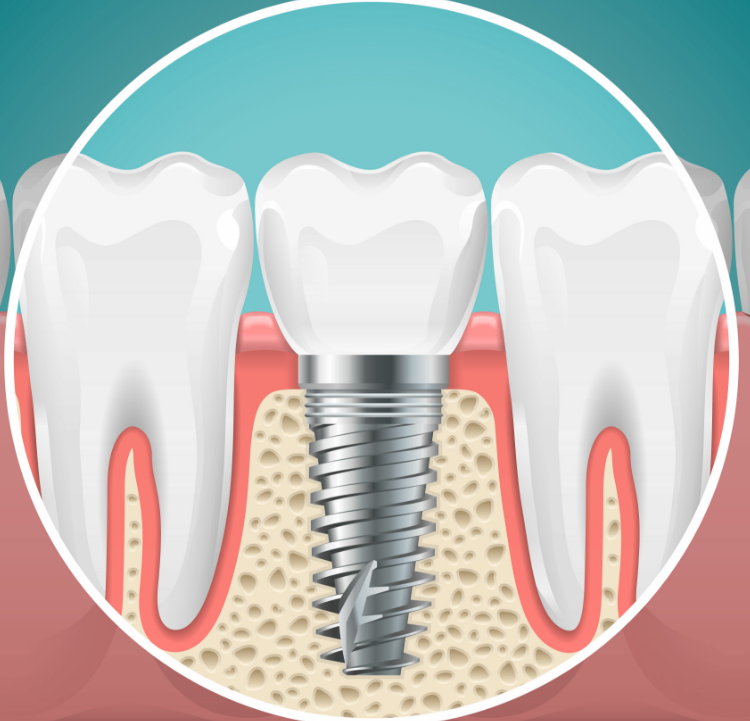
Dental implants have one of the highest success rates in modern dentistry, with studies showing predictability of up to 98 percent. Their durability, natural feel, and long-lasting benefits make them a preferred choice for replacing missing teeth. However, like any dental restoration, implants require proper care to thrive. Without certain preventive measures, complications can arise that may place you among the small percentage of patients who experience implant failure.
The good news? Most causes of implant failure are preventable. With the right habits and routine care, your dental implants can last a lifetime.
What Causes Dental Implant Failure?
Understanding why implants fail is the first step toward preventing it. Early failures generally occur when the implant does not fully integrate with the jawbone. This may be due to infection, insufficient bone density, or excessive pressure during the healing phase. Later failures tend to result from gum disease, chronic inflammation around the implant, or lifestyle factors like smoking.
The area surrounding a dental implant must remain strong and healthy for the restoration to function properly. When inflammation or infection develops around the implant, it can weaken the supporting tissues and jeopardize its stability.
Practice Excellent Oral Hygiene
Your daily habits have a major influence on implant longevity. While implants cannot decay, the surrounding gum tissue is still vulnerable to infection. Left untreated, gum disease can progress into peri-implantitis, a condition that causes bone loss and implant instability.
To keep the tissues healthy, brush twice a day, floss carefully around the implant, and use antimicrobial rinses if recommended by your dentist. Keeping plaque under control significantly decreases your risk of complications.
Follow Your Aftercare Instructions Closely
Immediately after implant placement, your dentist will provide detailed aftercare guidelines. These instructions are designed to protect the implant during its early healing phase, when osseointegration is still taking place. Avoiding hard foods, not disturbing the surgical site, and attending follow-up visits all help ensure the implant integrates properly.
Skipping steps or rushing the healing process can introduce issues that may not show up until much later.
Avoid Tobacco Use
Smoking is one of the leading risk factors for dental implant failure. Nicotine restricts blood flow, slows healing, and compromises the body’s ability to fight off infection. For implants to succeed, the surrounding bone and gum tissue must remain healthy, and smoking significantly interferes with that process.
If you smoke, talk with your dentist about creating a plan to quit before beginning implant treatment. Even reducing use during healing can improve your outcome.
Protect Your Implants from Excessive Force
Although implants are strong, they are not indestructible. Habits like chewing ice, opening packages with your teeth, or grinding can put unnecessary stress on the implant and restorations. Patients who grind their teeth at night should consider a custom nightguard to prevent damage.
Protecting your implant from excessive pressure ensures the bone and tissues remain stable over time.
Keep Up with Routine Dental Visits
Regular checkups allow your dentist to monitor the implant, clean areas you may miss at home, and catch early warning signs before they progress. Even if everything feels normal, these visits are essential for long-term success.
With consistent care and mindful habits, dental implants can be a lifelong investment in your oral health.
A few simple precautions can help keep your new smile strong for years to come.
About the Practice
Soleil Dental offers comprehensive implant care, including diagnostics, placement, and implant failure and salvage services. Dr. Vazquez and Dr. Aldana use advanced technology and personalized treatment planning to help patients enjoy the full benefits of long-lasting dental implants. To learn more about protecting your implants, come visit us and discover a treatment plan that fits you!
Call us at (214) 304-2112 or request an appointment online.