
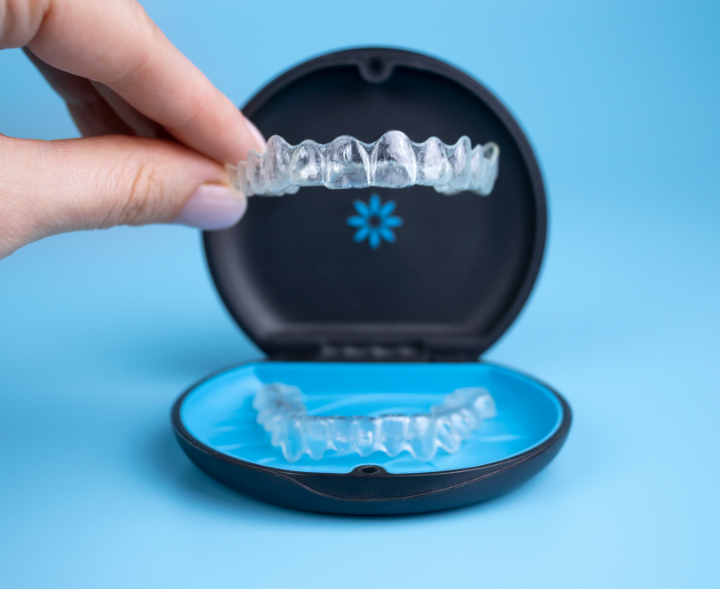
Invisalign has become one of the most popular ways to straighten teeth, and for good reason. Clear aligners are discreet, removable, and generally more comfortable than traditional braces. Still, like any dental treatment, Invisalign isn’t completely risk-free—and it’s not the best solution for every patient.
Understanding the possible complications can help you make an informed decision and feel confident about your treatment plan.
Invisalign Isn’t Right for Every Case
One of the most important things to know is that Invisalign works best for mild to moderate alignment issues. Severe bite problems, significant rotations, or complex jaw misalignment may require alternative orthodontic treatments.
Trying to force Invisalign into a situation it’s not designed for can lead to disappointing results or extended treatment time. That’s why a thorough evaluation is essential before starting.
Treatment Depends on Patient Compliance
Unlike braces, Invisalign aligners are removable—which is both a benefit and a potential drawback. Aligners must be worn for about 20 to 22 hours per day to work as intended. Removing them too often or forgetting to put them back in can slow progress or cause teeth to shift unpredictably.
Some patients also lose or damage aligners, which can delay treatment if replacements are needed.
Temporary Discomfort Is Common
Many patients experience mild discomfort or pressure when switching to a new set of aligners. This sensation usually fades after a few days and is a sign that the aligners are doing their job.
In rare cases, poorly fitting aligners may irritate the gums or cause soreness, especially early in treatment. These issues are typically easy to resolve with adjustments.
Speech Changes and Saliva Changes
Some patients notice a slight lisp when they first start wearing aligners. This is usually temporary as the mouth adjusts. Invisalign can also increase saliva production at first, which may feel awkward but tends to normalize quickly.
These changes are usually minor and short-lived, especially compared to the long-term benefits.
Oral Hygiene Still Matters—A Lot
Because aligners are removable, it’s easy to assume oral hygiene is less important. In reality, poor brushing habits or placing aligners over dirty teeth can trap bacteria, increasing the risk of cavities or gum inflammation.
Patients need to brush, floss, and clean their aligners consistently to avoid complications during treatment.
Why the Benefits Often Outweigh the Risks
For the right candidate, Invisalign offers clear advantages: discreet appearance, fewer dietary restrictions, easier cleaning, and improved comfort compared to traditional braces. Most complications are mild, temporary, or preventable with proper planning and compliance.
The key is choosing treatment based on your specific needs—not convenience alone.
The Importance of a Proper Evaluation
A dentist will evaluate your bite, tooth movement needs, oral health, and lifestyle before recommending Invisalign. This ensures the treatment is appropriate and helps minimize potential complications from the start.
When Invisalign is used correctly and monitored properly, it can deliver excellent, long-lasting results.
Invisalign may not be perfect, but with the right guidance, it can still be a powerful and rewarding orthodontic solution.
About the Practice
Soleil Dental of Dallas provides comprehensive dental care with a focus on personalized treatment and patient comfort. Dr. Jose Aldana and Dr. Diana Vazquez carefully evaluates each patient to determine whether Invisalign is the right fit, guiding them through the process with clear communication and ongoing support to help achieve healthy, confident smiles.
Call us at (214) 304-2112 or request an appointment online.