Comfort
Sedation dentistry for people who'd rather not be here.
A lot of our patients walked in nervous, some after years away. What changes things isn't one trick. It's a team that listens first, explains before doing anything and never scolds, plus two real sedation options for when talking isn't enough: nitrous oxide and oral conscious sedation.

Dental anxiety is common, and it's not your fault
Fear of the dentist usually has a reason. A visit that hurt years ago. A dentist who rushed or lectured. A strong gag reflex, the sound of the drill, the feeling of lying back with no control over what happens next. Or just embarrassment about how long it's been.
The trouble is the loop it creates. Staying away lets small problems grow, bigger problems mean longer visits, and longer visits feel scarier. Our job is to break that loop gently, one easy visit at a time.
What comfort looks like here, before any sedation
For many people, the right team is enough on its own. These are the small things we do every visit:
- We ask what's made past visits hard, and we remember
- Nothing happens without a heads-up first
- You get a signal to pause, any time, no questions asked
- No lectures about how long it's been
- TVs on the ceiling in treatment rooms, or bring your own headphones
- Longer treatment can often be split into shorter visits
- All of it in English or Spanish, whichever feels easier
Your sedation options at a glance
When nerves need more help, we offer two kinds of sedation: nitrous oxide and oral conscious sedation. Both keep you awake and able to respond. You'll feel calmer and less aware of time, but you can still hear us, answer questions and tell us if you need a break.
We don't offer IV sedation or general anesthesia. For most anxious patients, nitrous or oral sedation plus a team that goes at your pace is enough. If your care would be better done with deeper sedation, we'll tell you and help you find the right place.
Nitrous oxide (laughing gas)
Nitrous oxide is a mix of nitrous and oxygen that you breathe through a small mask over your nose. Within a few minutes most people feel light, warm and a little tingly, and the worry fades into the background. We can turn it up or down during your visit, so you're never more sedated than you want to be.
When we're done, you breathe plain oxygen for a few minutes and the effect clears quickly. Most people feel like themselves soon after and can drive home or head back to work. It's a good fit for cleanings, fillings and anyone who needs the edge taken off.
Oral conscious sedation (a pill before your visit)
For bigger nerves or longer appointments, oral conscious sedation is a prescribed pill you take about an hour before your visit, or at the time we tell you. By the time you're in the chair, you're deeply relaxed and drowsy, though still able to respond. Many people remember very little of the appointment afterward.
Because the medicine stays in your system for hours, oral sedation comes with more rules than nitrous. We'll go over them with you ahead of time, including when to stop eating and what to do about your usual medications.
What will I feel during sedation?
Here's something many people don't realize: sedation calms you, but it doesn't numb your teeth. For fillings and other treatment we still use local anesthetic, and sedation makes getting numb feel like much less of a big deal. You may feel pressure or vibration, but you shouldn't feel sharp pain. If you do, raise your hand and we stop.
With nitrous, expect a floaty, relaxed feeling that lifts within minutes of the mask coming off. With oral sedation, expect heavy, sleepy calm that can last the rest of the day. Some people feel a little nauseous with either; tell us and we can adjust.
Who is a good candidate for sedation?
Sedation isn't only for people with a phobia. It often helps if:
- Anxiety has kept you from the dentist, or you feel panicky in the chair
- Your gag reflex makes x-rays, impressions or cleanings hard
- It's hard for you to get numb, or you've felt pain during treatment before
- You have a long visit or several treatments planned at once
- Sitting still with your mouth open for a long time is tough on your jaw or back
Is dental sedation safe?
Nitrous oxide and oral sedation have been used in dentistry for decades and are considered safe for most healthy adults when they're given by trained people with the right precautions. Both doctors are licensed to provide sedation.
Safety starts before your visit. We review your health history and every medication and supplement you take, and we'll ask about things like pregnancy, breathing or lung conditions, sleep apnea, and alcohol or cannabis use. Some of these change which option is right, or whether sedation makes sense that day. Be honest with us; it's for your safety, not a judgment.
Driving, getting home and the rest of your day
The rules depend on which option you choose:
- Nitrous oxide: most people can drive themselves once the oxygen has cleared it and they feel normal
- Oral sedation: no driving for the rest of the day; an adult you trust has to bring you and take you home
- Oral sedation: a rideshare alone doesn't count, and ideally someone stays with you for a few hours
- Oral sedation: no alcohol, no big decisions and no work with machinery until the next day
- If you care for kids or others, arrange help for the afternoon
It's been years? Start here
You don't have to commit to a big plan to walk in. Your first visit can be mostly talking, plus x-rays and a gentle look. New patients start with the $89 visit: a comprehensive exam, full-mouth x-rays and a consult with the doctor. If something hurts right now, the $75 emergency exam gets it looked at first.
From there we build a plan in phases, starting with whatever matters most to you, and add sedation only where it helps. Our office is on Maple Ave in Oak Lawn, and when you book, just say you're nervous. That one sentence changes how we plan your visit.
Your first visit
Tell us
Call or book online and mention you're nervous. It helps us plan.
Talk first
We sit down before anything else and go over what worries you.
Choose comfort
No sedation, nitrous or oral sedation. You decide, with our advice.
Your pace
We explain each step and pause whenever you need it.
What it costs
Sedation is usually priced on top of your treatment, and you'll know the cost before your visit. Some plans cover sedation for certain procedures and many don't, so we check yours ahead of time. Most PPO plans help with part of the cost. We check your benefits before treatment, and Sunbit and Cherry offer monthly payment plans. No insurance? The Sunshine Membership is $119 a year and takes 20 to 30% off treatment, depending on the procedure (conditions apply).
Insurance and financingYour dentists
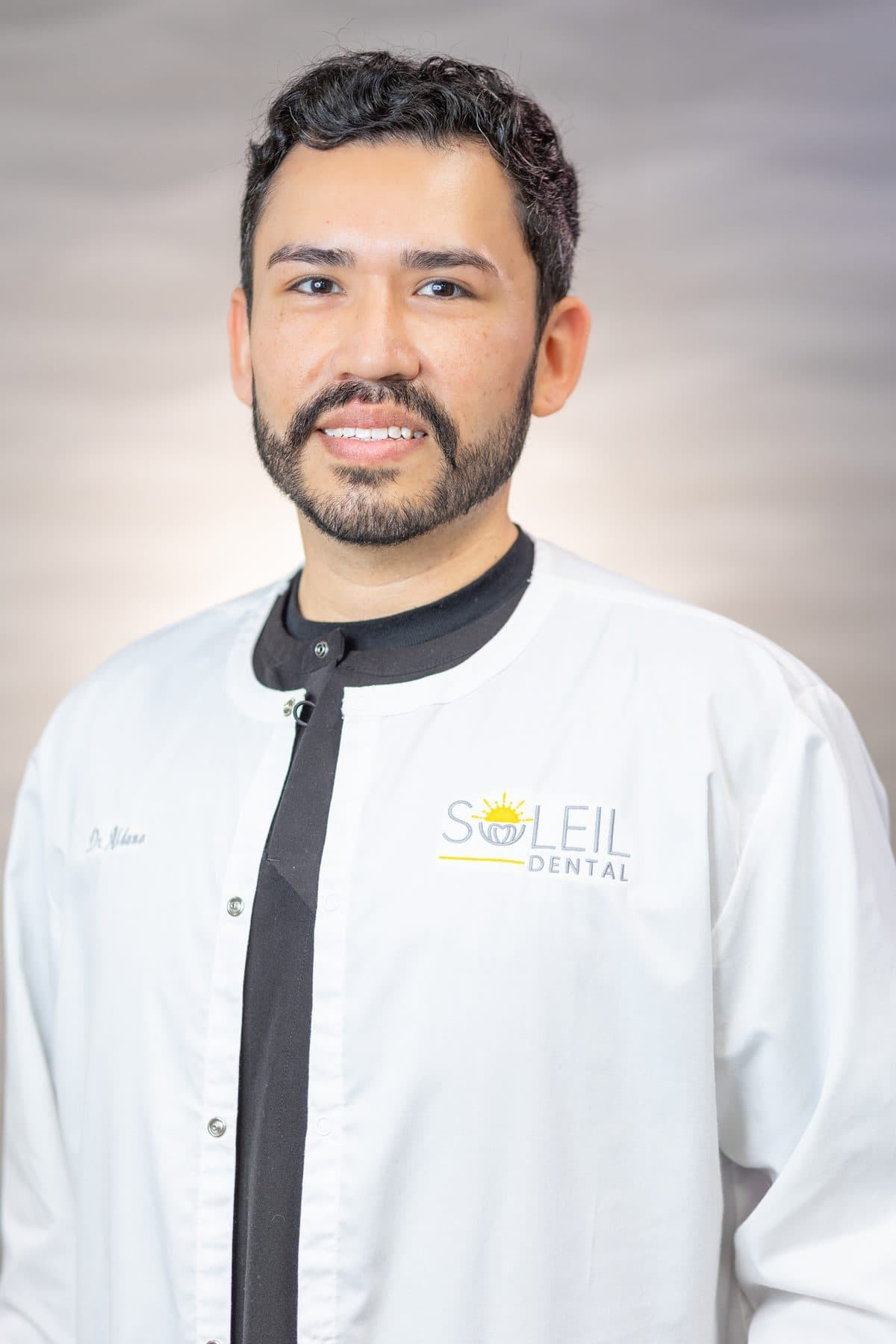 Dr. Jose AldanaCo-owner. UNT and Texas A&M Baylor College of Dentistry.
 Dr. Diana VazquezCo-owner. SMU and Baylor College of Dentistry.
Dr. Aldana and Dr. Vazquez are both licensed to provide sedation, and both work with nervous patients every week.
Questions
What people ask.
Will I be asleep with sedation?
Will I still feel pain?
Can I drive after nitrous oxide?
How long does oral sedation last?
Do I need someone with me?
Can I eat before my appointment?
Can I take my usual medications?
Is sedation covered by insurance?
It's been years. Will I get a lecture?
Keep exploring
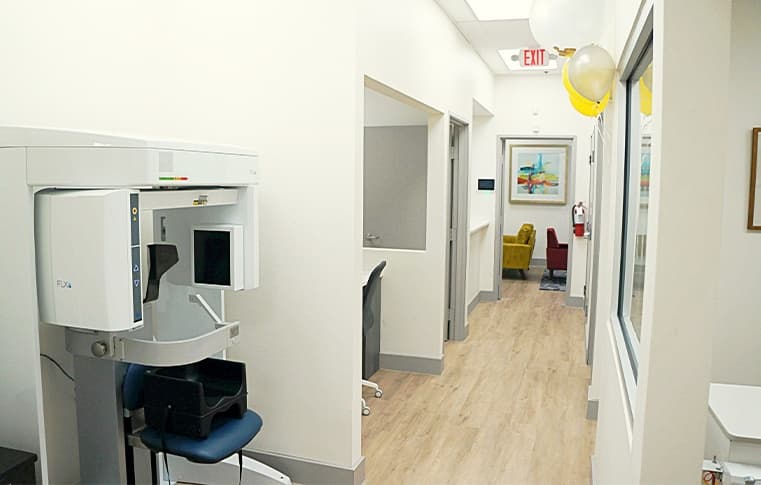 Wisdom teeth removalAn honest keep or remove answer, and recovery one day at a time.
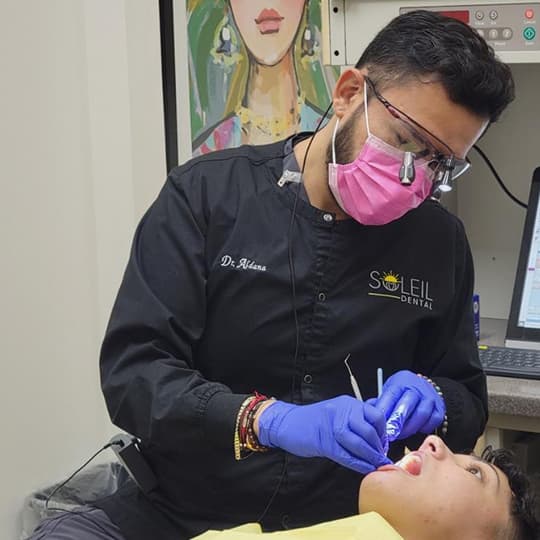 Tooth extractionsSimple and surgical extractions, numbing first, with a plan for what's next.
- Root canalNumbed, careful treatment that ends the ache and saves the tooth.
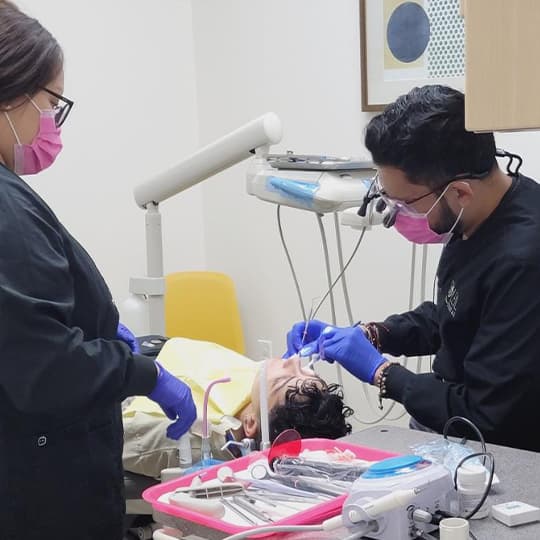 Checkups and general dentistryCleanings, exams, fillings and the small fixes that keep it easy.