Save the tooth
A root canal is how we save the tooth.
Root canals have a scary reputation they don't deserve. The treatment clears infected or inflamed tissue out of a tooth so you can keep it, and most people say it felt a lot like getting a filling. Both doctors do root canals right here, and they'll walk you through every step.
What is a root canal?
Inside every tooth is the pulp, soft tissue with nerves and blood vessels that runs down through narrow channels in the roots. When deep decay, a crack or an injury lets bacteria reach the pulp, it can become inflamed or infected. It can't heal on its own, and that's usually when the pain starts.
A root canal cleans out that tissue, disinfects the channels and seals them. The tooth stays where it is, keeps doing its job and stops hurting. Afterward, a back tooth usually gets a crown to protect it.
Signs you might need a root canal
Only an exam and an x-ray can tell for sure, but these are common signs:
- A toothache that throbs or keeps you up at night
- Sensitivity to hot or cold that lingers after the drink is gone
- Pain when you bite down or chew
- A tooth that has turned darker than its neighbors
- A pimple-like bump on the gum near one tooth
- Swelling or tenderness in the gum around a tooth
Does a root canal hurt?
The tooth is fully numbed before we start, so the treatment itself feels a lot like a long filling. The pain people remember is usually the infection before treatment, and the root canal is what relieves it. Sometimes an infected tooth doesn't hurt at all, and we find it on an x-ray at a routine visit.
Afterward, expect some tenderness for a few days, especially when you bite. Over-the-counter pain relievers usually handle it, and we'll tell you what's safe for you. If dental work makes you anxious, ask about nitrous oxide or oral sedation.
What happens during treatment
First we confirm the diagnosis with an exam and an x-ray. Then we numb the tooth and place a small rubber shield around it to keep it clean and dry. Through a small opening in the top of the tooth, the infected pulp is removed, and the canals are cleaned, shaped and disinfected.
The canals are then filled with a rubber-like material and sealed. Many root canals are finished in one visit; some take two, especially when there's a lot of infection. The tooth gets a temporary filling, and a back tooth comes back for its crown.
Why the crown afterward matters
A tooth that needs a root canal has usually already lost a lot of structure to decay or old fillings, and it tends to get more brittle afterward. Molars and premolars take heavy chewing forces, so a crown is the best way to keep them from cracking.
Try to get the crown placed soon after the root canal. Waiting months is how a saved tooth ends up breaking. Front teeth sometimes only need a filling, and we'll tell you which applies to yours.
Root canal or extraction?
Pulling the tooth can look simpler or cheaper at first. But a gap brings its own problems: neighboring teeth drift, chewing gets harder on that side, and replacing the tooth later with an implant or a bridge usually costs more than saving it.
Still, not every tooth can or should be saved. If a tooth is cracked below the gumline or there isn't enough of it left, we'll tell you straight and walk you through extraction and replacement options.
When we refer you to a specialist
Many root canals can be done right here in our Oak Lawn office. Some cases are better handled by an endodontist, a root canal specialist: very curved or narrowed canals, redoing an older root canal, or a tooth that needs surgery at the tip of the root. If yours is one of them, we'll tell you why and help with the referral.
When tooth pain can't wait
Tooth pain that's getting worse, or swelling in your gum, is a reason to call us. Same-day emergency visits when we can, during office hours. Call first thing. The emergency exam is $75 and includes an x-ray of the area.
Go to the emergency room right away for facial swelling that's spreading, trouble breathing or swallowing, bleeding that won't stop, or a jaw injury. A tooth infection that spreads can become serious.
How it goes
Diagnose
An exam and an x-ray to find the source of the pain and confirm the plan.
Treat
The tooth is numbed, cleaned out and sealed, usually in one or two visits.
Protect
A crown on back teeth, so the tooth you saved stays strong.
What it costs
Root canal cost depends mostly on the tooth. Front teeth usually have one canal and molars have several, so molars take longer. The crown afterward is a separate cost. You'll get both numbers before we start. Most PPO plans help with part of the cost. We check your benefits before treatment, and Sunbit and Cherry offer monthly payment plans. No insurance? The Sunshine Membership is $119 a year and takes 20 to 30% off treatment, depending on the procedure (conditions apply).
Insurance and financingYour dentists
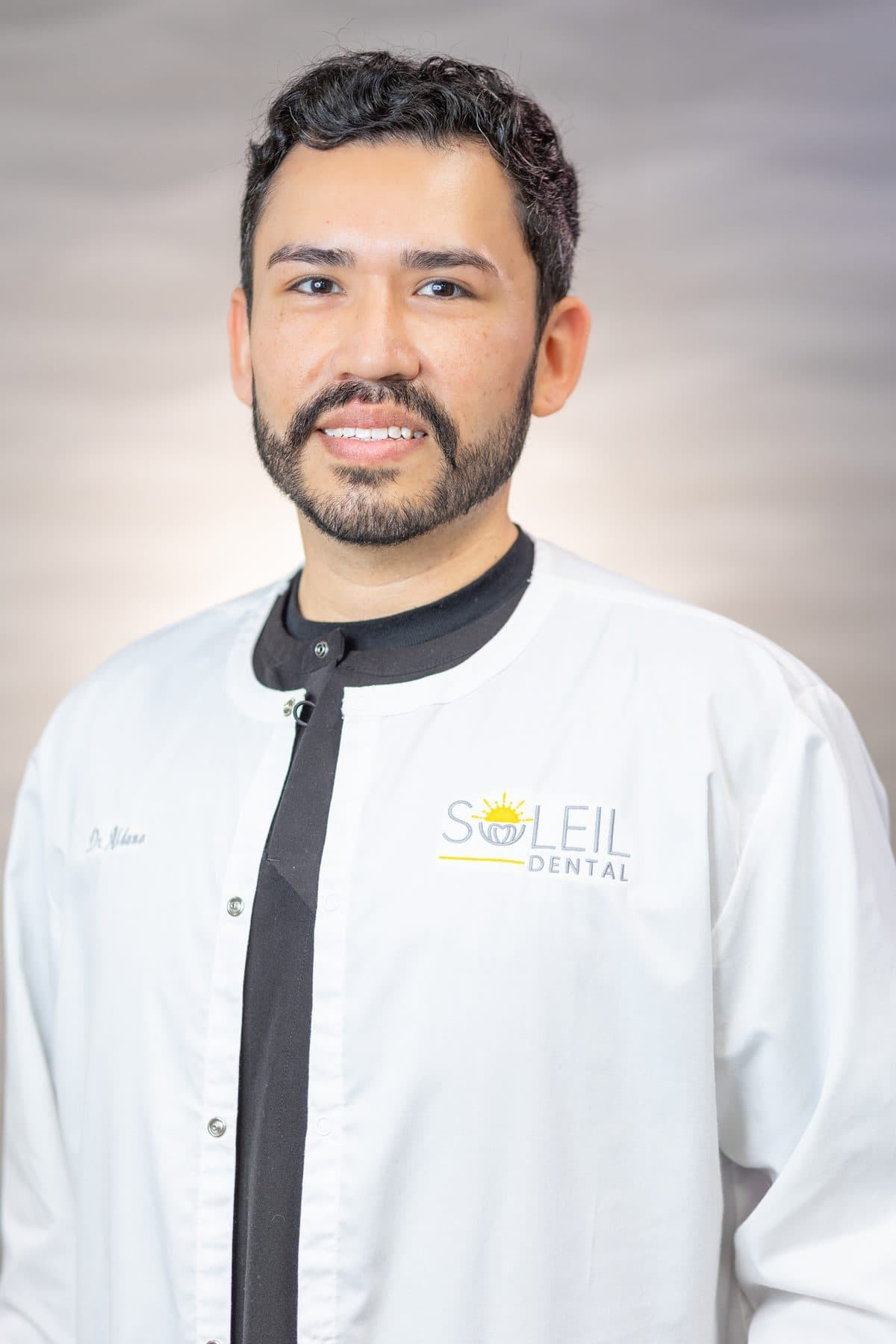 Dr. Jose AldanaCo-owner. UNT and Texas A&M Baylor College of Dentistry.
 Dr. Diana VazquezCo-owner. SMU and Baylor College of Dentistry.
Both doctors do root canals, so you can usually stay with the dentist you already know. If a case needs an endodontist, we'll tell you and help with the referral.
Questions