Third molars
Wisdom teeth out, with a lot less worry.
Wisdom teeth tend to show up between about 17 and 21, right when life gets busy. Some come in just fine. Many don't have the room. We'll tell you honestly which kind you have, remove the ones that need to go right here in our Oak Lawn office whenever we can, and walk you through recovery one day at a time.

What are wisdom teeth, and why do they cause trouble?
Wisdom teeth are your third molars, the last teeth at the very back of each side. Most people have four, some have fewer, and a few never get any. Because they arrive years after everything else, there often isn't enough jaw left for them to come in straight.
A tooth that can't fully break through is called impacted. It might be tipped into the molar in front of it, lying sideways in the bone, or only halfway through the gum. That halfway tooth leaves a small pocket that traps food and bacteria and is nearly impossible to clean, which is where a lot of the swelling and infections start.
Do wisdom teeth always need to be removed?
No. If yours came in straight, meet the teeth above or below them, and you can brush and floss around them, they can often stay. We'll keep an eye on them with x-rays at your regular checkups.
We usually recommend removal when a wisdom tooth is causing a problem now or is very likely to. The signs we look for:
- Pain or pressure at the back of the jaw
- Swollen, tender or bleeding gum over a partly erupted tooth
- Cavities in the wisdom tooth or in the molar next to it
- Gum infections that keep coming back
- A cyst forming around the tooth
- Jaw stiffness or trouble opening wide
- Constant sinus issues
- Crowding, or teeth starting to shift
Is it better to remove wisdom teeth young?
Often, yes. In the late teens and early twenties the roots are usually shorter and the bone is more forgiving, so removal and healing tend to be easier. That makes the end of high school a good time to get them checked, even if nothing hurts yet.
That said, adults of every age have wisdom teeth out. If yours start bothering you at 35 or 50, we'll take the same careful look and give you the same straight answer.
How we plan your wisdom tooth removal
It starts with an exam and an x-ray that shows the whole tooth, roots and all. For lower wisdom teeth, the key thing we check is how close the roots sit to the nerve that gives feeling to your lip and chin. When a regular x-ray leaves questions, our i-CAT 3D cone beam scanner can show the tooth and the nerve in three dimensions, so there are fewer surprises on the day.
Then we decide together: which teeth, all at once or one side at a time, and how you'd like to stay comfortable. Many wisdom teeth are handled right here. If a tooth sits deep in the bone or wraps around the nerve, the right call is an oral surgeon, and we'll tell you that plainly and help with the referral.
What happens on the day
We numb the area thoroughly first. If you chose nitrous oxide, you'll breathe it through a small mask over your nose and feel calmer within minutes. If you chose oral sedation, you'll take a pill about an hour before and bring a driver. We don't offer IV sedation.
A tooth that's fully through the gum can often be lifted out in one piece. An impacted tooth is removed in sections through a small opening in the gum, which protects the bone around it. You'll feel pressure but not sharp pain. We finish with gauze, often a few stitches, and a walk through your aftercare before you head home.
Wisdom teeth recovery, day by day
Everyone heals a little differently, and lower teeth usually take a bit longer than upper ones. This is the typical path:
- Day 1: Rest with your head raised. Keep gauze on the sites until bleeding slows to a light ooze. Ice your cheeks, 20 minutes on and 20 off. Cool liquids, very soft foods and plenty of water, and no straws.
- Days 2 and 3: Swelling and soreness usually peak here, then turn the corner. Start gentle warm salt water rinses after meals. Many people feel ready for school or a desk job by the end of this stretch.
- Days 4 to 7: Move up to soft foods that need a little chewing, like pasta, rice and fish. Keep skipping straws, smoking and vaping.
- Week 2: Jaw stiffness fades, stitches dissolve or come out, and the gum closes over the sockets. Most people are back to normal food.
How to sleep after wisdom teeth removal
Sleep with your head higher than your heart for the first couple of nights: an extra pillow or two, or a recliner. It keeps swelling and throbbing down. Take the gauze out before you fall asleep, lay an old towel over your pillow in case of a little oozing, and time your pain medicine so a dose doesn't run out in the middle of the night.
Sleeping on your back is easiest. If you're a side sleeper, lie on the side that had less work done. A good night of rest does more for healing than almost anything else on your list.
Dry socket: what it feels like and what to do
Dry socket happens when the blood clot in a socket comes loose too early and leaves bone exposed. It's the most common setback after wisdom teeth, especially lower ones, and it's more likely if you smoke, vape or use a straw in the first few days.
The clue is timing. You're getting better, then around day two to four a deep, throbbing pain sets in, sometimes reaching toward your ear, often with a bad taste. Call us. It isn't dangerous, but it hurts, and we can usually ease it quickly with a medicated dressing in the socket.
Warning signs after surgery
Call us for a fever, pus, swelling that gets worse after day three instead of better, or numbness in your lip or chin that hasn't worn off by the next day. If we're closed, leave a message and we'll call you back as soon as we're in.
Go to the ER or call 911 for swelling that spreads toward your eye or down your neck, trouble breathing or swallowing, or bleeding that won't stop with firm pressure on gauze.
From first look to healed
Check
An exam and x-ray, and a 3D scan if a tooth sits close to the nerve.
Plan
Which teeth, one visit or two, comfort options and the cost.
Remove
Numbing first, then the teeth, gently, with gauze and aftercare.
Recover
A follow-up if you need one, and answers by phone along the way.
What it costs
The cost depends on how many teeth come out, whether they're impacted, and whether you choose sedation. You'll see the full number before you schedule. Coverage varies: some plans pay part of wisdom tooth removal, some only when it's medically needed. We check yours and file the claim for you. Most PPO plans help with part of the cost. We check your benefits before treatment, and Sunbit and Cherry offer monthly payment plans. No insurance? The Sunshine Membership is $119 a year and takes 20 to 30% off treatment, depending on the procedure (conditions apply).
Insurance and financingYour dentists
 Dr. Jose AldanaCo-owner. UNT and Texas A&M Baylor College of Dentistry.
 Dr. Diana VazquezCo-owner. SMU and Baylor College of Dentistry.
Many wisdom teeth are handled right here in the office. If a case needs an oral surgeon, we'll tell you upfront and help with the referral.
Questions
What people ask.
At what age should wisdom teeth come out?
Should wisdom teeth come out if they don't hurt?
Do you remove wisdom teeth in the office?
Do you take out all four at once?
Is wisdom tooth removal painful?
Will I be put to sleep?
How long is recovery from wisdom teeth removal?
How do I avoid dry socket?
When can I eat normally again?
How should I prepare for my appointment?
Keep exploring
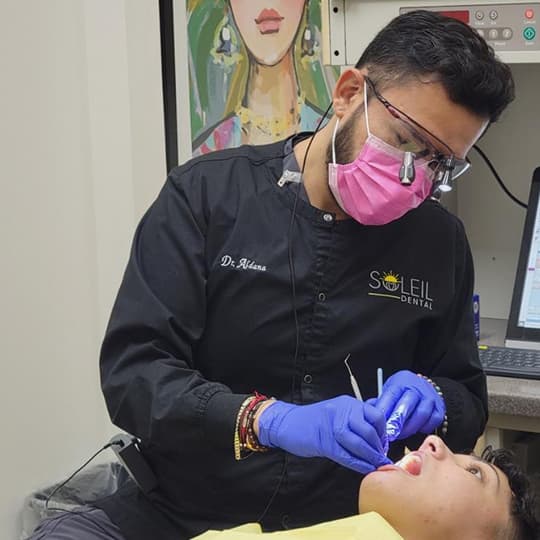 Tooth extractionsSimple and surgical extractions, numbing first, with a plan for what's next.
 Anxiety-free dentistryNitrous or oral sedation, and a team that goes at your pace.
 Emergency dentistThe $75 emergency exam, and same-day visits when we can.
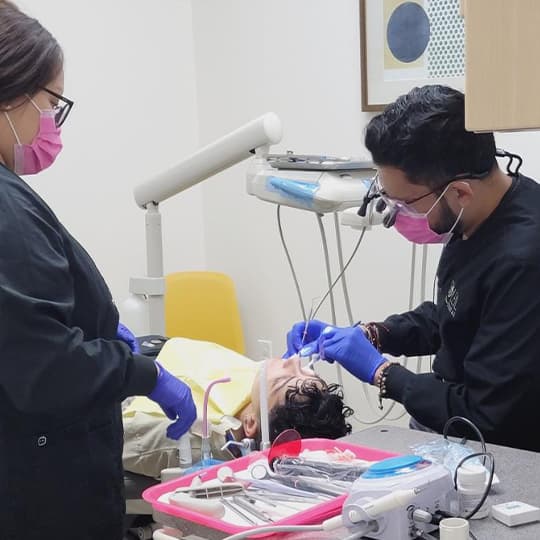 Checkups and general dentistryCleanings, exams, fillings and the small fixes that keep it easy.