Everyday care
Kids who grow up fine with the dentist.
The goal of a kid's visit isn't just clean teeth. It's a child who walks out thinking the dentist was no big deal. We keep visits short, gentle and explained in words kids understand, in English or Spanish, so the next visit is even easier. And parents get straight answers, not a lecture.
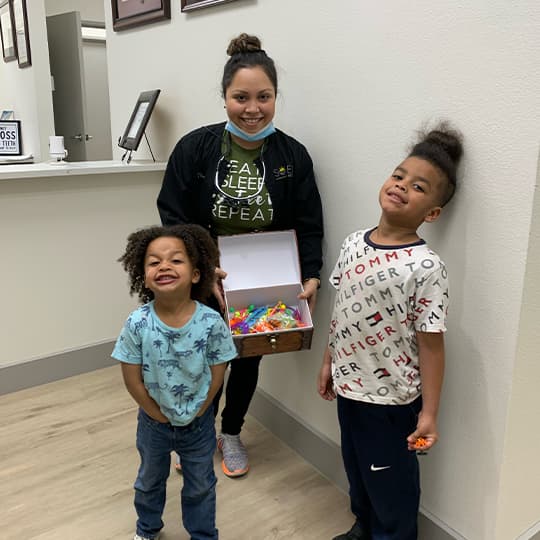
When should your child first see a dentist?
Pediatric dental groups recommend a first visit by the first birthday, or within about six months of the first tooth coming in. That can sound early, but baby teeth can get cavities as soon as they show up, and the best first visit is one that happens before anything hurts.
Missed that window? No problem at any age. Plenty of kids have their first visit at three, five or eight. We'll meet your child where they are and go from there.
What happens at a first visit
First visits are short and mostly about getting comfortable. For babies and toddlers, the exam often happens right on a parent's lap. Here's what we usually cover:
- A hello, a look around and a chance to touch the mirror before we use it
- Counting teeth and checking gums, bite and how teeth are coming in
- Looking for early chalky spots that can turn into cavities
- A gentle cleaning and fluoride, if your child is ready for it
- Time for your questions: brushing, bottles, sippy cups, snacks, thumbs and pacifiers
Checkups and cleanings as kids grow
After the first visit, most kids come in every six months. Each checkup is a chance to catch small problems while they're still small, clean away the buildup brushing misses, and keep an eye on how adult teeth are lining up.
We only take x-rays when they're needed, and ours are digital, which uses less radiation than film. If we notice crowding or bite issues as your child grows, we'll tell you what we see and when it makes sense to talk about straightening. Our office also treats teens with Invisalign when the time is right.
Dental sealants: a raincoat for back teeth
The chewing surfaces of back teeth are full of deep grooves where food and bacteria hide, and a toothbrush can't always reach the bottom. A sealant is a thin coating painted into those grooves to help keep cavities out.
Sealants are usually placed on permanent molars soon after they come in, often around age 6 for the first set and around age 12 for the second. There are no shots and no drilling: we clean the tooth, paint on the sealant and harden it with a light. It takes a few minutes per tooth, and we check them at every visit.
Fluoride: a small step with a big payoff
Fluoride helps enamel resist decay and can even help repair very early weak spots. After a cleaning, we can paint a fluoride varnish on your child's teeth. It takes a minute or two, it doesn't hurt, and it sets quickly.
At home, the right amount of toothpaste matters. A common guideline is a smear about the size of a grain of rice for kids under 3, and a pea-sized amount from about 3 to 6. If your family drinks mostly bottled water, mention it at the visit, since many bottled waters have little fluoride.
Why baby teeth matter
It's tempting to think baby teeth don't count because they fall out anyway. But they hold space for adult teeth, help kids chew and speak clearly, and a painful cavity can affect sleep, eating and school. Untreated decay can also turn into an infection.
Candy isn't the only culprit. Crackers, chips, cereal and juice feed cavity-causing bacteria too, and so does milk or formula left on the teeth when a child falls asleep with a bottle. Water at bedtime and snacks at set times, not all day long, make a real difference.
When a cavity does show up
If your child gets a cavity, we fix it early so it doesn't turn into pain. We use tooth-colored fillings, and we explain every step in kid-friendly words before it happens. Numbing is done gently, and we go at your child's pace.
When a cavity in a baby tooth reaches the nerve, pulp therapy can remove the infected tissue and save the tooth until it's ready to fall out on its own. If your child needs care that would be better handled by a pediatric specialist, we'll tell you honestly and help with the referral.
Sports mouthguards
Football, basketball, soccer, martial arts, skating: if there's a chance of a hit to the face, a mouthguard is cheap insurance for teeth that have to last a lifetime. Store-bought guards are better than nothing, but they're often bulky, which means kids take them out. We make athletic mouthguards shaped to your child's mouth, so they're comfortable enough to actually wear.
Making brushing fun at home
Healthy habits start at home, and a little fun goes a long way. Ideas that work for a lot of families:
- Let your child pick the toothbrush and a kid-friendly toothpaste
- Brush to a two-minute song, twice a day
- Use a sticker chart and a small reward for a streak
- Brush together, so they copy what you do
- Help with brushing and flossing until they can do it well on their own, often around age 7 or 8
Bilingual care for the whole family
Our whole team speaks Spanish and English, so kids, parents and grandparents can all follow along in whichever language feels natural. We'll explain what we found, what to watch for at home and when to come back, and we'll repeat it in the other language if someone else is doing pickup.
Parents and kids can be patients in the same Oak Lawn office, and it's worth asking about booking siblings back to back to save a trip.
A kid's visit
Say hi
A friendly intro and a look around, no rush.
Count and clean
A gentle exam and cleaning, explained as we go.
Protect
Fluoride, and sealants when the molars are ready.
Parent recap
What we saw, tips for home, and when to come back.
What it costs
Most PPO plans cover children's checkups and cleanings at a high percentage, and many include sealants and fluoride. We check your benefits before the visit. Sunbit and Cherry offer monthly payment plans for treatment.
Insurance and financingYour dentists
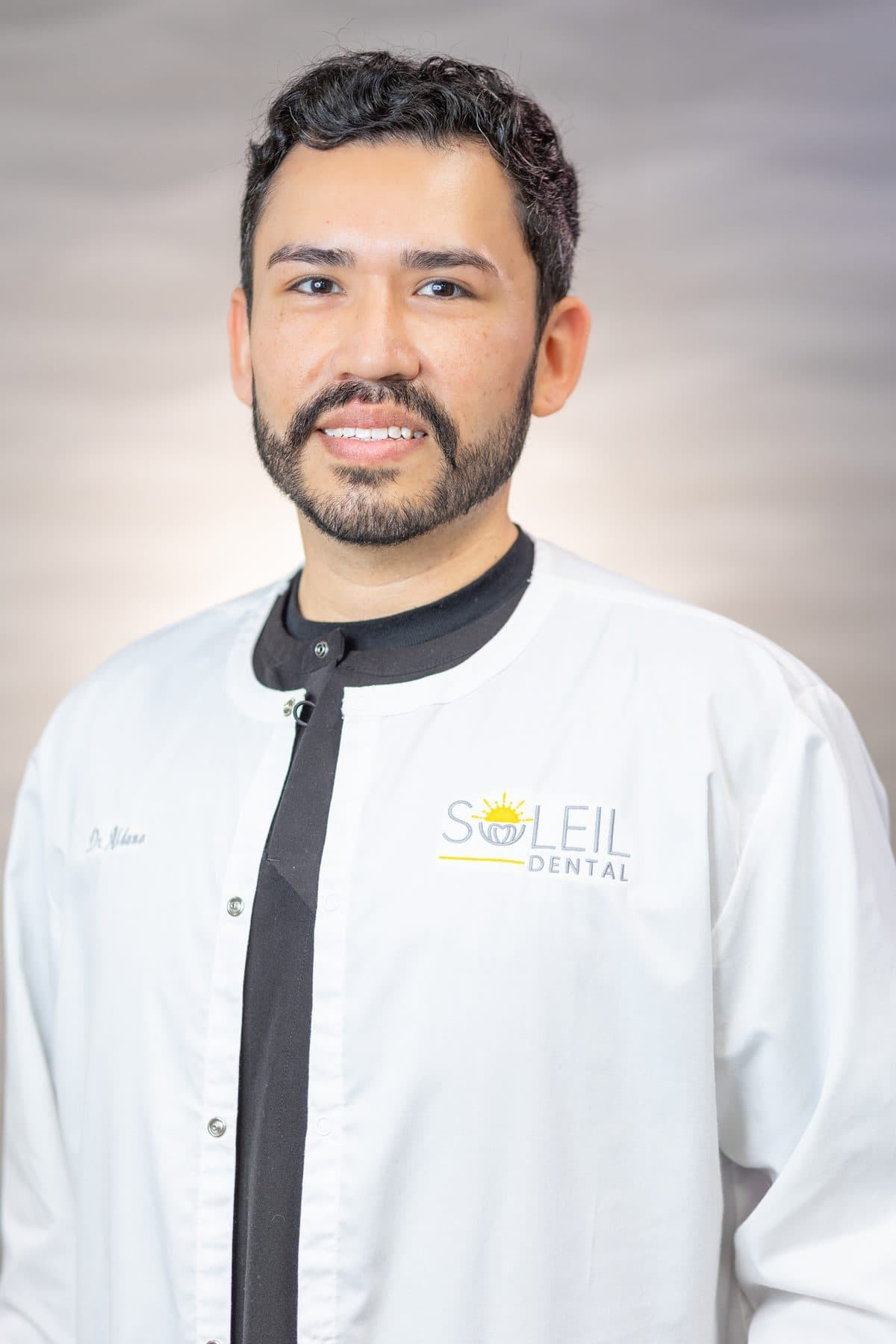 Dr. Jose AldanaCo-owner. UNT and Texas A&M Baylor College of Dentistry.
 Dr. Diana VazquezCo-owner. SMU and Baylor College of Dentistry.
Both doctors see kids every week, and first visits are kept short and easy.
Questions
What people ask.
When should my child first see a dentist?
How often should kids get a checkup?
Can I be with my child during the visit?
What are sealants, and do they hurt?
Is fluoride safe for kids?
Do baby teeth really need fillings?
My child is scared. What do you do?
What if my child knocks out a tooth?
Does insurance cover kids' cleanings?
Do you see teenagers too?
Keep exploring
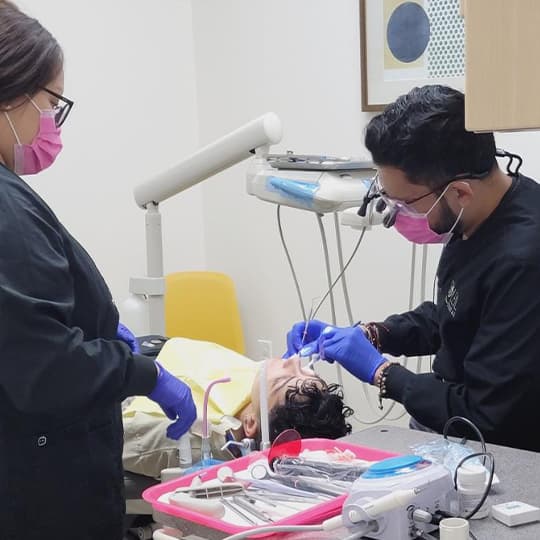 Checkups and general dentistryCleanings, exams, fillings and the small fixes that keep it easy.
 Orthodontics and bracesStraight-Wire braces or clear aligners, compared honestly for your bite.
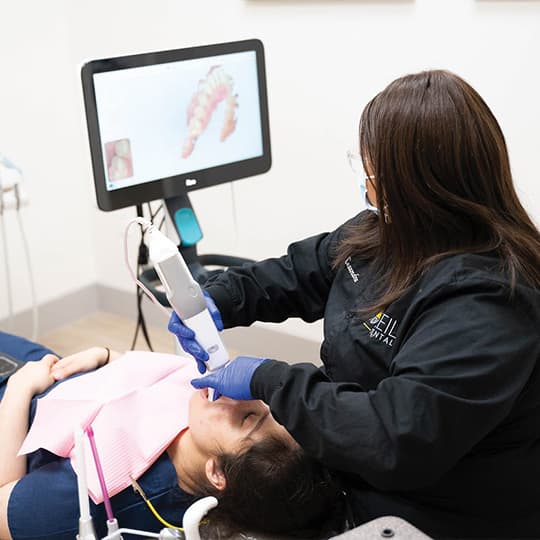 Crowns and fillingsTooth-colored fillings and crowns, with the problem shown on screen first.
 Emergency dentistThe $75 emergency exam, and same-day visits when we can.