Smile studio · Gold Plus provider 2025
Straighter teeth, no metal, planned by your dentist.
Invisalign moves your teeth with a series of clear, removable aligners. Soleil is an Invisalign Gold Plus provider for 2025, and your treatment is planned and checked by the same dentists who know the rest of your mouth, not a mail-order kit.
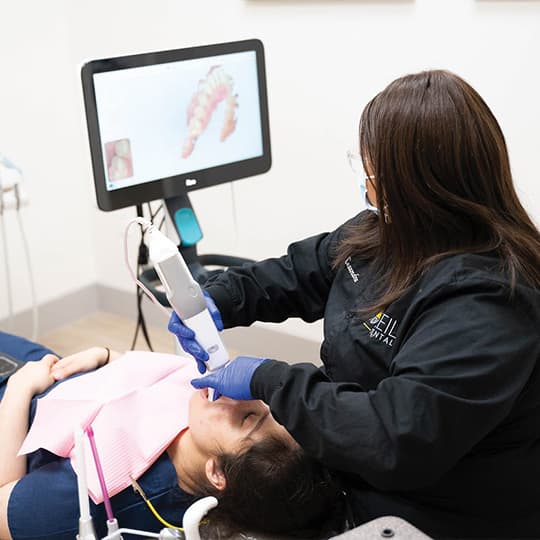
How does Invisalign work?
Each aligner is a thin, clear tray shaped a tiny bit differently from the one before it. Wear a set and it nudges your teeth a small step. Switch to the next set and they move a little more. Stack enough small steps together and you get a straighter smile and a better bite.
It starts with a digital scan of your teeth, no trays of goop. From that scan we build your plan and show you a preview of how your teeth are expected to move, start to finish, before you commit.
Some plans use small tooth-colored bumps called attachments, which give the aligners something to grip so they can turn or lift a tooth. Sometimes we also polish a sliver between two teeth to make room. If your plan needs either one, we'll show you where and why.
What bite problems can Invisalign fix?
Clear aligners handle a lot more than one slightly crooked tooth. We use Invisalign for many cases of:
- Crowding, when there isn't enough room and teeth overlap or twist. Crowded teeth are also harder to clean
- Gaps and spacing, which can trap food and leave gums more exposed
- Overbite, when the upper front teeth cover too much of the lower ones
- Underbite, when the lower teeth sit in front of the upper teeth
- Crossbite, when some upper teeth close inside the lower teeth, which can wear teeth unevenly
- Open bite, when the front teeth don't meet as you bite down
- Teeth that shifted back after braces, usually because a retainer stopped getting worn
Why get Invisalign from a dentist instead of a mail-order kit?
Mail-order aligners are cheaper upfront because nobody is really checking your mouth. Nobody takes x-rays to see the roots and bone, looks for cavities or gum disease first, or checks in on how your teeth are actually moving. When something goes off track, you're usually on your own.
Moving teeth is a medical treatment. Teeth sitting on weak gums or hiding a cavity can get worse, not better, and a bite that's shifted the wrong way can be tough to undo. With us, you get an exam and x-rays before anything starts, a dentist who plans each step, and check-ins every 6 to 8 weeks with people who can adjust the plan in person.
Being a Gold Plus provider means Invisalign is a regular part of our week, not something we do once in a while.
What is life with aligners like?
You wear your aligners 20 to 22 hours a day. They come out to eat, to drink anything besides water, and to brush and floss. Brush before they go back in, or you're holding food against your teeth all afternoon.
To clean them, rinse in cool water and brush them gently with a soft toothbrush. Skip hot water, which can warp the plastic. Keep the case with you. A lot of lost aligners end up wrapped in a napkin on a restaurant tray.
Expect a snug, pressing feeling for a day or two with each new set. That's the aligners working. Some people talk with a slight lisp for the first few days, and it fades as your tongue gets used to them. After the first couple of weeks, most people find them easy to forget.
Is Invisalign good for teens?
For many teens, yes, once most of their adult teeth are in. Aligners are easy to hide in school photos, they come out for sports and band practice, and there are no brackets to pop off before a game. The tradeoff is responsibility: aligners only work when they're worn, so we'll talk honestly with you and your teen about whether it's a good match.
We also check for cavities first and go over brushing habits, since food trapped under an aligner can cause decay quickly. If braces are the better call for your teen, we'll say so.
What if an aligner doesn't fit or gets lost?
If a new aligner doesn't seat all the way, give it a day of steady wear. Small foam chewies help press it into place. If you still see a gap between the aligner and your teeth after a couple of days, or it's been more than a day since you wore them, call us before moving on to the next set.
Lost or cracked an aligner? Call us. Depending on where you are in your plan, we may have you move to the next set early, go back to the previous one for a few days, or order a replacement. Don't just skip ahead without checking.
How long does Invisalign take?
Many cases finish in roughly 12 to 18 months. Small touch-ups can be shorter, and complex bites can take longer. Your plan will give you a personal estimate before you start.
The biggest thing you control is wear time. Aligners only move teeth while they're in, so 20 to 22 hours a day keeps you on schedule. Missing hours adds up, and it's the most common reason treatment runs long.
What happens at your check-ins?
Every 6 to 8 weeks you stop by for a quick visit, usually under 30 minutes. We check that each tooth is tracking with the plan, look at your gums and hand you your next sets of aligners. Easy to fit in around a workday.
Near the end, it's common to need a short round of refinement aligners to fine-tune a tooth or two. That's a normal part of the process, not a sign something went wrong.
How much does Invisalign cost?
We give you the number at your consult, after the scan, because the cost depends on how much your teeth need to move. You'll see it in writing before you start, with what's included and what isn't, like refinement aligners and retainers. When you compare quotes, check those same things. What moves the price:
- Whether you need both arches or just the top or bottom
- How complex your bite is and how many aligners it takes
- How long treatment runs, including any refinement aligners at the end
- Anything that needs to happen first, like a cleaning, fillings or gum treatment
Does insurance cover Invisalign?
Sometimes. Some dental plans include an orthodontic benefit that can apply to Invisalign. It's often a lifetime amount rather than a yearly one, and some plans cover orthodontics for kids and teens only. We'll check your plan and tell you exactly what it pays before you decide.
Invisalign can usually be paid for with HSA or FSA funds, since it's orthodontic treatment. Check with your plan administrator to confirm.
Sunbit and Cherry offer monthly payment plans. No insurance? The Sunshine Membership is $119 a year and takes 20 to 30% off treatment depending on the procedure (conditions apply), so ask how it applies to your aligners.
Invisalign or braces?
Neither one is better for everyone. Aligners are nearly invisible, come out for meals and are easier to keep clean. Braces are on all the time, so they don't depend on you remembering to wear them, and some bites move better with brackets and wires.
We offer Straight-Wire braces here too, so if traditional braces are the better tool for your teeth, we'll talk through both options honestly and let you choose. Some people even start with braces for a tough bite and finish with aligners.
Keeping your new smile straight
Teeth like to drift back toward where they started, especially in the first year. That's why every Invisalign plan ends with retainers. Most people wear them full time at first, then switch to nights. We'll give you a schedule that fits your case. Retainers wear out too, so if yours cracks or stops fitting, call us before your teeth have a chance to move.
If your teeth shifted after braces years ago because the retainer ended up in a drawer, you're in good company. That's one of the most common reasons adults come in for Invisalign.
Getting started
Consult
We look at your bite, talk goals and take a digital scan.
Preview
You see a plan of how your teeth are expected to move.
Start
Your first aligners, how to wear them, and your check-in schedule.
What it costs
The cost depends on how much movement your case needs, and we'll give you the number at your consult. Some dental plans include orthodontic benefits that apply to Invisalign; we'll check yours. Sunbit and Cherry offer monthly payment plans.
Insurance and financingYour dentists
 Dr. Jose AldanaCo-owner. UNT and Texas A&M Baylor College of Dentistry.
 Dr. Diana VazquezCo-owner. SMU and Baylor College of Dentistry.
Both doctors offer Invisalign and braces, and they'll talk through both options with you honestly.
Questions
What people ask.
How long does Invisalign take?
Does Invisalign hurt?
How often do I come in?
What does Gold Plus provider mean?
Is Invisalign better than braces?
Can I drink coffee with my aligners in?
Am I too old for Invisalign?
Can I get Invisalign if I have crowns or veneers?
Will Invisalign affect how I talk?
Do I need a retainer after Invisalign?
Keep exploring
 Orthodontics and bracesStraight-Wire braces or clear aligners, compared honestly for your bite.
 Porcelain veneersThin porcelain, planned tooth by tooth, made to look like you.
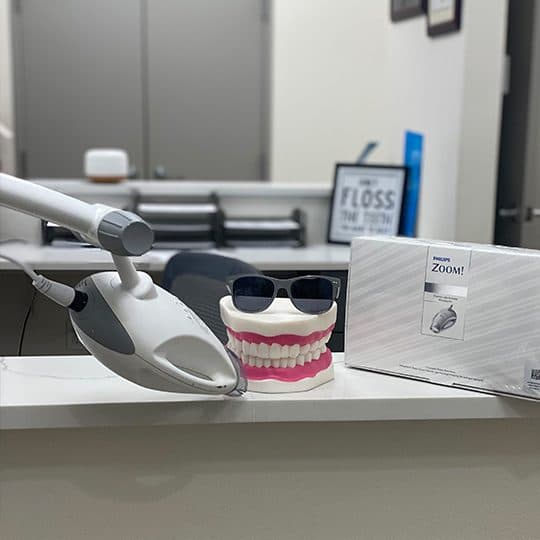 Teeth whiteningZOOM in the chair in about an hour, or custom trays at home.
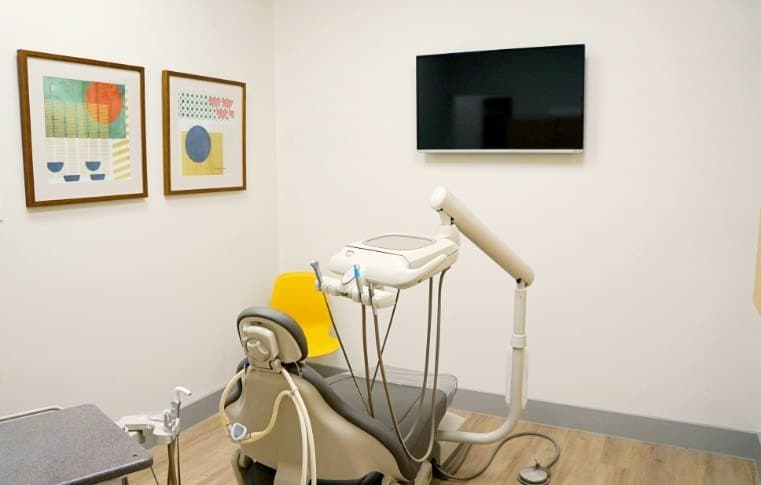 TMJ and jaw painClicking, clenching or a sore jaw, eased with a custom splint.