Restore and urgent
When a tooth has to go, we make it easier.
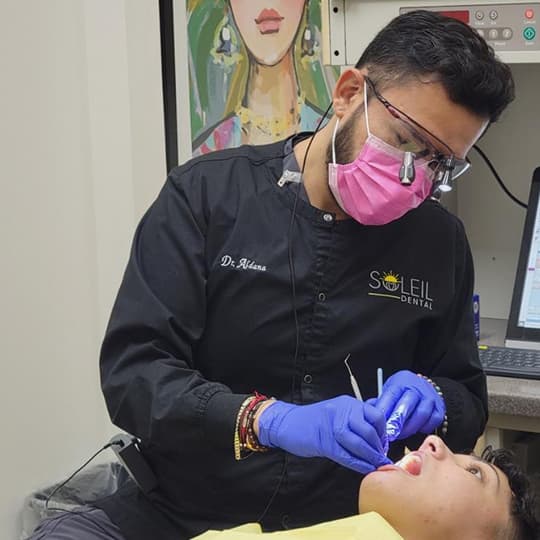
Nobody hopes to lose a tooth. But when one is broken past saving, infected, loose or simply in the way, taking it out is often the quickest road out of pain. We numb you well, explain each step before it happens, and plan what comes next before you leave the chair.
When does a tooth need to be pulled?
We try to save teeth first. A filling, a crown or a root canal is usually the better choice when it can work for the long run. Extraction comes up when a tooth can't be fixed in a way that will last. The most common reasons:
- A tooth broken below the gumline or split down the middle
- Decay so deep there isn't enough healthy tooth left to hold a crown
- A tooth loosened by advanced gum disease
- An infection that keeps coming back after other treatment
- Wisdom teeth that are stuck, crowding or impossible to keep clean
- Crowding, when making room is part of an orthodontic plan
Simple vs. surgical extraction: what's the difference?
A simple extraction is for a tooth we can see and reach above the gum. Once you're numb, we gently loosen it with a small instrument called an elevator, then lift it out. Most of what you feel is pressure, not pain, and the removal itself is often quick.
A surgical extraction is for a tooth that's broken at the gumline, has long or curved roots, or hasn't fully come in, like many wisdom teeth. We may open the gum slightly and take the tooth out in sections, which is gentler on the bone around it. A few stitches often close the site, and many of them dissolve on their own.
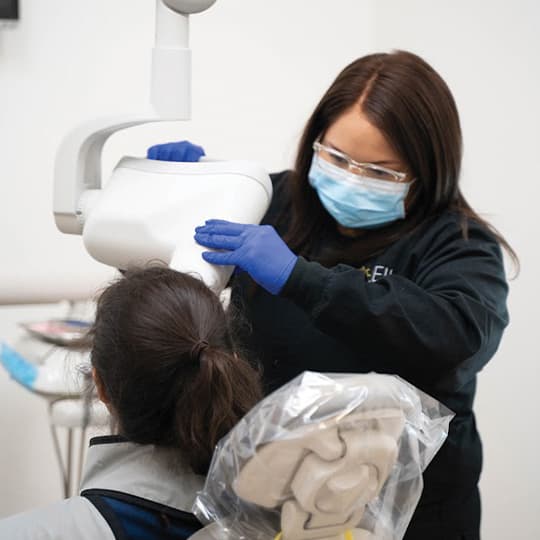
Before anything starts, we take an x-ray so we know the shape of the roots and what sits nearby. You'll know which kind of extraction you're having, and why, before you lean back.
Emergency tooth extraction: can you pull it today?
If a tooth is hurting, broken or swollen, call us first at (214) 304-2112. We see emergencies the same day when we can, during office hours, and calling early in the day gives you the best chance. The $75 emergency exam includes a focused exam and an x-ray of the area, so we can tell you whether the tooth can be saved or needs to come out.
Sometimes the tooth can come out at that same visit. Other times the smarter move is to calm an infection first and schedule the extraction shortly after. Either way, you leave with relief, a plan and a price.
Go to the ER or call 911 instead for facial swelling that's spreading, trouble breathing or swallowing, bleeding that won't stop, or an injury to the jaw. Those need a hospital before they need a dental office.
Does getting a tooth pulled hurt?
The extraction itself shouldn't hurt. We numb the tooth and the gum around it thoroughly and make sure it's working before we begin. You'll feel pushing and pressure, and you may hear a little noise, but not sharp pain. If you feel anything that bothers you, raise your hand and we stop.
Nervous? You have options. Nitrous oxide takes the edge off, and it wears off quickly afterward. Oral conscious sedation is a pill you take about an hour before your visit, and you'll need someone to drive you. We don't offer IV sedation.
What to do after a tooth extraction
The first day is about protecting the blood clot that forms in the socket. That clot is the start of healing, so everything on this list is about leaving it alone. You'll get written instructions too:
- Keep firm pressure on the gauze for the first half hour or so, and replace it if the site is still oozing
- Skip straws, spitting, smoking and vaping for at least the first few days
- Hold a cold pack to your cheek, 20 minutes on and 20 off, the first day
- Eat soft, cool foods and chew on the other side
- From the second day, rinse gently with warm salt water after meals
- Take pain medicine exactly as directed, and keep your head raised when you rest
How long does it take to heal after an extraction?
Most people feel much better within two or three days. Soreness and swelling usually peak around day two or three and then ease off. The gum closes over the socket in the first couple of weeks, and the bone underneath keeps filling in for a few months, which is why we talk about replacement timing early.
Call us if pain gets worse after day three instead of better, if you run a fever, notice a bad taste that won't rinse away, or bleeding starts again and won't slow with pressure. A throbbing ache that spreads toward your ear a few days in can be dry socket, and it's very treatable. We'd rather hear from you early than late.
Replacing the tooth, if it needs replacing
A missing back tooth lets its neighbors drift and tip over time, and the bone where the root used to be slowly shrinks. Not every tooth needs a replacement (wisdom teeth don't), but for most others it's worth deciding before the extraction.
Implants are placed right here and planned with 3D imaging, and we also make bridges and dentures. If you think you'll want an implant later, tell us before the tooth comes out, since it can shape how we remove it and when the new tooth goes in.
How an extraction visit goes
Look
An exam and an x-ray, so we know the roots and what's nearby.
Numb
Local anesthetic first, plus nitrous or oral sedation if you'd like.
Remove
Steady, gentle pressure, or the tooth in sections if it's surgical.
Heal
Gauze, written aftercare, and a number to call with any question.
What it costs
An extraction is priced after the exam, because a simple extraction and a surgical one are different amounts of work, and sedation adds to the cost. You'll get the number before we start. If you come in with pain, the emergency exam is $75. Most PPO plans help with part of the cost. We check your benefits before treatment, and Sunbit and Cherry offer monthly payment plans. No insurance? The Sunshine Membership is $119 a year and takes 20 to 30% off treatment, depending on the procedure (conditions apply).
Insurance and financingYour dentists
 Dr. Jose AldanaCo-owner. UNT and Texas A&M Baylor College of Dentistry.
 Dr. Diana VazquezCo-owner. SMU and Baylor College of Dentistry.
Both doctors do extractions, and we always try to save a tooth first. If a case belongs with an oral surgeon, we'll tell you and help with the referral.
Questions
What people ask.
How much does it cost to pull a tooth?
Can you pull a tooth the same day?
Will I be awake for the extraction?
How long will I be numb?
What can I eat after a tooth extraction?
When can I go back to work or school?
What is dry socket?
Do I have to replace a pulled tooth?
Do you see new patients for extractions?
Keep exploring
 Wisdom teeth removalAn honest keep or remove answer, and recovery one day at a time.
 Emergency dentistThe $75 emergency exam, and same-day visits when we can.
 Dental implantsImplants placed right here and planned with 3D imaging.
 Anxiety-free dentistryNitrous or oral sedation, and a team that goes at your pace.