Restore
Dentures that fit your face and stay put.
Full dentures, partials and implant dentures, planned by two bilingual owner dentists who take the time to get the fit right. Missing a few teeth or a whole arch, you'll see every option side by side, with the cost, before anything is made.

Which type of denture do I need?
Missing teeth make it harder to bite, chew and speak, and they change how you feel about smiling. There are three main types of denture. The right one depends on how many teeth you still have, how healthy they are, and how much stability you want:
- Partial denture: replaces several missing teeth when you still have healthy ones. It clips onto your natural teeth and comes out for cleaning.
- Full denture: replaces a whole upper or lower arch. It rests on your gums and holds on with suction, a close fit and the muscles of your mouth.
- Implant denture: a full denture anchored to dental implants, either snap-on (you take it out at night) or fixed (only the dentist removes it).
Partial dentures: filling the gaps around your own teeth
A partial is a gum-colored base with replacement teeth attached, usually reinforced with a thin metal framework and held by small clasps that hug your natural teeth. Because it leans on the teeth you already have, those teeth need to be healthy enough to support it, so we check them first.
Partials are a smart middle ground when the missing teeth aren't next to each other, which a bridge can't handle, or when keeping the cost down matters. Plenty of people start with a partial and add implants later. That's a perfectly good plan, and we'll help you map it out.
Full dentures: a complete smile, top, bottom or both
When every tooth in an arch is gone, or the few that are left can't be saved, a full denture rebuilds the whole row. An upper denture covers the roof of your mouth, which helps it hold with suction. Lower dentures have less to grip, so they tend to move more, and that's where implants can make a big difference.
If you still have a few teeth that are failing, they may need to come out first. We'll talk through the timing, how healing works and what the in-between stage looks like for you, so there are no surprises.
Snap-on and fixed implant dentures
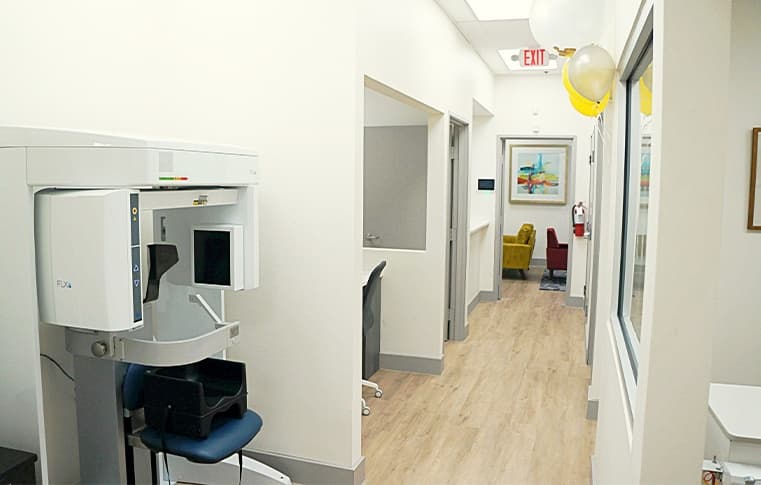
Implant dentures are for people who are done with slipping, adhesive and sore spots. The implants are placed right here and planned with our i-CAT 3D scanner, so your dentist can see your bone before deciding where each one goes.
A snap-on denture clicks onto a few implants and comes out at night for cleaning. A fixed denture usually sits on four to six implants and stays in; only your dentist takes it off. Both chew far better than a regular denture, and because implants stand in for tooth roots, they help your jaw keep its shape. A traditional denture can't do that.
Implants need healthy gums and enough bone. If you've worn a denture for years, the bone may have thinned, and a graft or a referral to a specialist may come first. We'll be upfront if that's your situation.
How are dentures made?
Good dentures are custom work. We take detailed impressions and bite measurements, choose a tooth shade and shape with you, and a dental lab builds the denture from there. The base is usually acrylic tinted to look like gum tissue, and the teeth are made of acrylic resin or porcelain.
Before the final denture is finished, you'll usually try in a wax version. That's your chance to check the look, the bite and the way your lips sit, and to tell us what you'd change. Speak up. It's much easier to adjust at that stage than after.
What the first few weeks feel like
New dentures take practice. Expect some sore spots, extra saliva and a slight lisp on certain words for the first days. Start with soft foods cut into small pieces, chew on both sides at the same time, and read out loud to help your tongue and cheeks get used to them.
Sore spots aren't something to tough out. Call us and we'll adjust the fit. Most people need a follow-up visit or two before a denture really feels like theirs.
How to take care of dentures
A few daily habits keep dentures clean, comfortable and looking good:
- Take them out and brush them every day with a soft brush and a denture cleaner. Regular toothpaste can scratch them.
- Soak them overnight in water or a soaking solution so they keep their shape and your gums get a rest.
- Rinse after meals, and handle them over a folded towel or a sink full of water in case they slip.
- Brush your gums, tongue and any natural teeth, too.
- Keep your checkups. Your mouth changes over time, and dentures usually need a reline, and eventually a replacement, as it does.
Dentures or implants: how to decide
Traditional dentures are the most affordable way to replace a lot of teeth at once, and they work well for many people. Their limits are real, though: they can slip, some foods stay hard to eat, and because they rest on the gums, the bone underneath slowly shrinks over the years.
Implants cost more up front, but they hold steady and help preserve bone. You don't have to decide forever today. Many people start with a denture and add implants later to anchor it. Whatever you choose, you'll leave the consult knowing the tradeoffs in plain English, or in Spanish.
How it goes
Consult
An exam, x-rays and a talk about what you want. Gum disease or decay is treated first. Every option, with cost.
Measure
Impressions, bite records, and a tooth shade and shape you choose.
Try in
A wax preview so you can check the look and bite before it's final.
Fit
Your denture is delivered and adjusted, with follow-ups until it's comfortable.
What it costs
Denture cost depends on the type, the materials, whether any teeth need to come out first and whether implants are part of the plan. You'll get a written estimate before anything is made. Most PPO plans help with part of the cost. We check your benefits before treatment, and Sunbit and Cherry offer monthly payment plans. No insurance? The Sunshine Membership is $119 a year and takes 20 to 30% off treatment, depending on the procedure (conditions apply).
Insurance and financingYour dentists
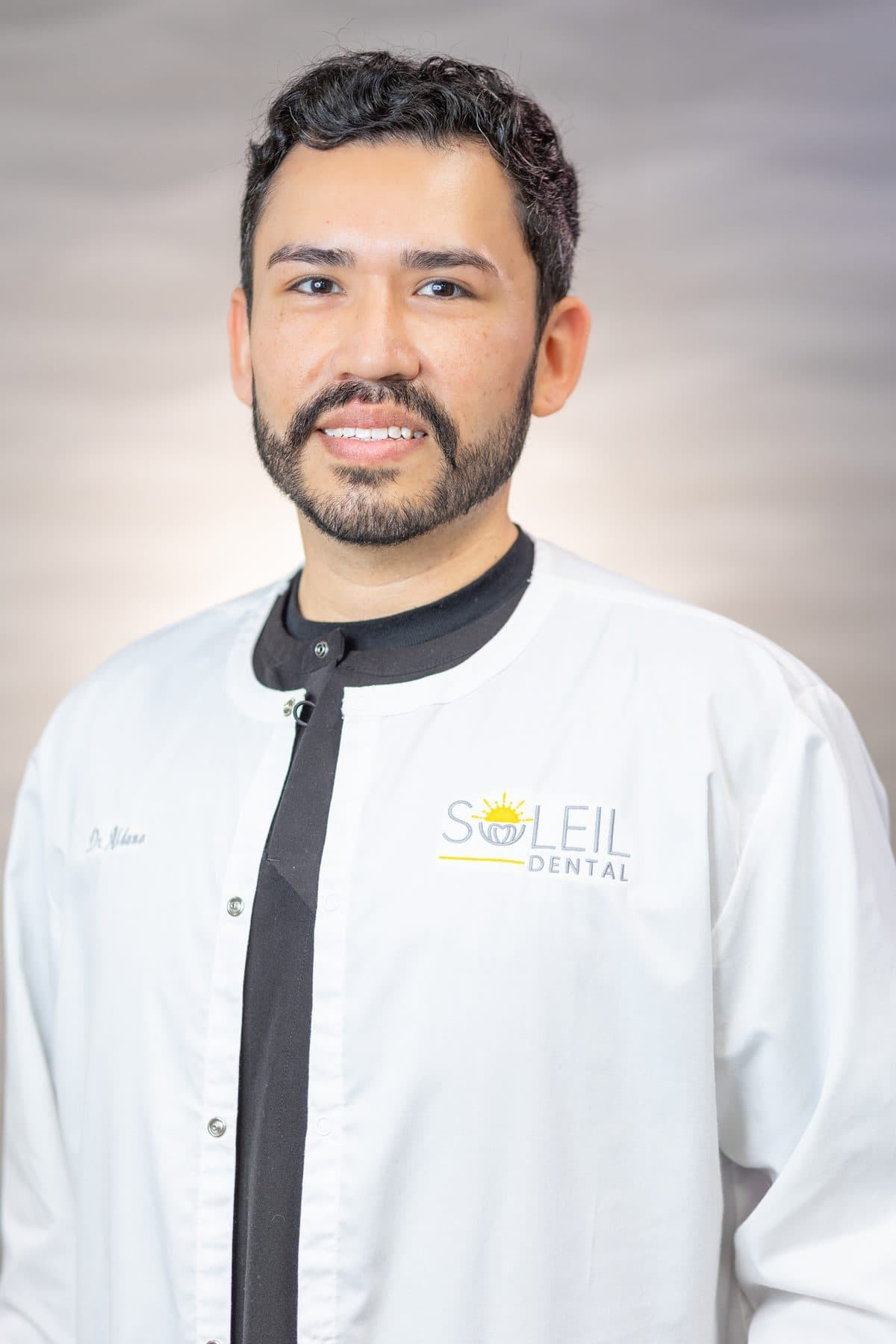 Dr. Jose AldanaCo-owner. UNT and Texas A&M Baylor College of Dentistry.
 Dr. Diana VazquezCo-owner. SMU and Baylor College of Dentistry.
Both doctors plan and fit dentures and bridges, and implants for snap-on and fixed dentures are placed right here.
Questions