Urgent care
Tooth hurts? Call us first.
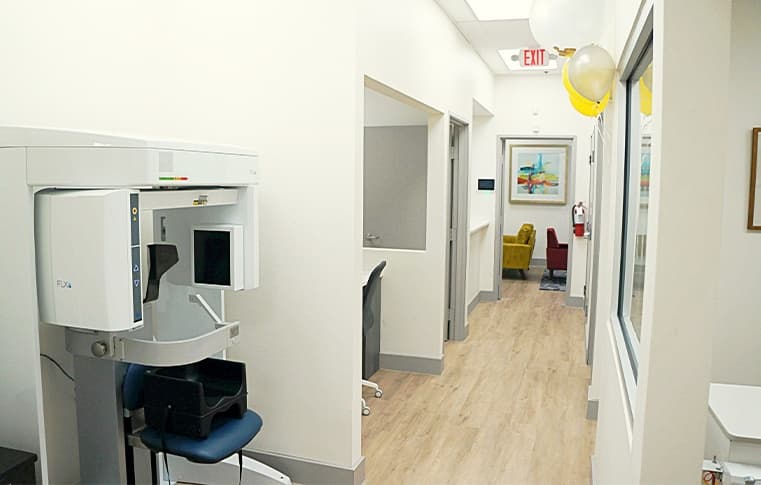
Same-day emergency visits when we can, during office hours. Call first thing. The emergency exam is $75 and includes a problem-focused exam and an x-ray of the area, so we can find what's wrong and get you comfortable.
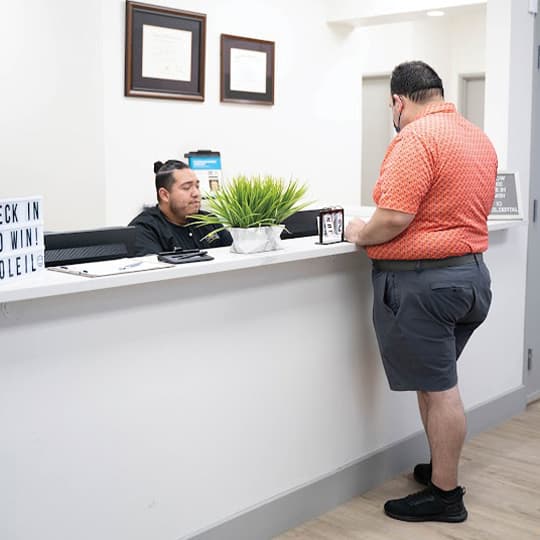
What counts as a dental emergency?
If it hurts, it's broken, or it's swollen, call. Common reasons people call us:
- A toothache that won't quit
- A chipped, cracked or broken tooth
- A knocked-out or loose adult tooth
- A lost filling or crown
- A broken denture
- Swelling in your gums or face
- An injury to your gums, lips or tongue
What to do right now
Call (214) 304-2112 as early in the day as you can. We're open Tuesday 9 am to 3 pm and Wednesday to Friday 10 am to 5 pm, and we'll do our best to see you the same day. The team can also give you advice over the phone while you wait.
The steps below are general first aid to keep you comfortable and protect the tooth until you're seen. They aren't a diagnosis, and they don't replace a visit.
What to do if a tooth gets knocked out
An adult tooth that's knocked out has the best chance of being saved in the first hour, so move fast and call us right away.
Pick the tooth up by the top (the part you chew with), never by the root. If it's dirty, rinse it for a few seconds with milk or water. Don't scrub it, dry it or wrap it in a tissue.
If you can, gently push it back into the socket and bite on a clean cloth to hold it there. If that isn't possible, keep it in a small cup of milk, or in your own saliva, and bring it with you.
Baby teeth are different: don't put a knocked-out baby tooth back in, because it can harm the adult tooth growing underneath. Call us so we can check the area.
What to do for a bad toothache
Rinse with warm salt water and gently floss around the tooth, since trapped food is sometimes the whole problem. Over-the-counter pain relievers taken as directed on the label can take the edge off, and a cold pack on the outside of your cheek helps with swelling.
Don't put aspirin or any tablet directly on the gum, which can burn the tissue, and skip heat on the face. A toothache that wakes you up, throbs, or comes with swelling or a fever usually means infection, so call us that day.
What to do if you chip, crack or break a tooth
Rinse your mouth with warm water and save any pieces you find. A cold pack on your cheek helps if you took a hit. If a sharp edge is cutting your tongue or cheek, cover it with sugar-free gum or dental wax from the pharmacy, and chew on the other side until we see you.
A cracked tooth can be sneaky. It may look fine but hurt when you bite down or let go, or zing with cold. Cracks tend to grow, so don't wait for it to get worse. Small chips are often a quick bonding fix. Bigger breaks may need a crown or other treatment, and we'll show you on the x-ray.
What to do if a filling or crown falls out
Keep the crown, clean it gently and bring it with you. Many crowns can be cleaned and cemented back on. Until your visit, a temporary dental cement from the pharmacy can hold it in place. Never use superglue or household glue.
A lost filling leaves a hole that can be sensitive. Keep it clean, avoid chewing hard or sticky food on that side, and call us to fill it before food and bacteria settle in.
What to do about swelling or a dental abscess
A pimple-like bump on the gum, a bad taste, throbbing pain or swelling in the gum or cheek can all point to an abscess, a pocket of infection. Don't try to pop it. Rinse with warm salt water and call us that day. Infections don't clear up on their own, even if the pain fades for a while.
If swelling is spreading into your face, eye or neck, or you have trouble breathing or swallowing, don't wait for us. Go to the emergency room or call 911.
Cuts and injuries to the gums, lips or tongue
Rinse gently, then press a clean piece of gauze or a damp tea bag firmly on the spot for 10 to 15 minutes. A cold pack on the outside helps with swelling. Call us so we can check the teeth and tissue. If the bleeding won't stop with steady pressure, or the cut is deep, go to the emergency room.
Broken denture, loose tooth or something stuck
Broken denture: don't glue it at home. Store-bought glues can warp the fit and make a proper repair harder. Bring all the pieces with you.
Loose adult tooth: don't wiggle it. Stick to soft foods, bite gently and call us. A tooth loosened by an injury needs to be checked soon.
Something stuck between your teeth: try floss and a gentle rinse. Skip pins, toothpicks or anything sharp that can cut your gums. If it won't come out, we'll get it.
Braces wire poking you: cover the end with orthodontic wax or a small piece of cotton and call us. Don't cut it unless we tell you how.
When should you go to the ER instead?
Some problems can't wait for a dental office, open or not. Go to the emergency room or call 911 right away for facial swelling that's spreading, trouble breathing or swallowing, bleeding that won't stop, or a jaw injury, like a jaw that won't open or close after a fall or a hit.
The ER is the right place for those. For a toothache or broken tooth without those warning signs, a dental office can usually do more, because we can treat the tooth itself, not just the pain.
If we're closed, call and leave a message and we'll get back to you as soon as we're in.
How much does an emergency dental visit cost?
The emergency exam is $75: a problem-focused exam and an x-ray of the area. Once we know what's going on, we'll explain your options and give you the cost of any treatment before we start. Sometimes that's a quick fix the same day. Sometimes it's relief now and a plan for later.
Many dental plans help with emergency exams and x-rays, and we'll check yours. Sunshine Membership members get unlimited emergency exams, and Sunbit and Cherry offer monthly payment plans for treatment.
How to avoid the next emergency
Most dental emergencies start small. Keep your checkups, so we catch cracks and cavities early. Wear a mouthguard for sports, and a nightguard if you grind. Don't chew ice or use your teeth to open things. And if a tooth starts to feel off, call before it turns into a weekend problem.
Your emergency visit
Call
Tell us what happened. We'll find the soonest time we can see you.
Find it
A focused exam and an x-ray of the area, $75.
Fix or plan
Relief now, and a clear plan and cost for anything else.
What it costs
The emergency exam is $75: a problem-focused exam and an x-ray of the area. Treatment is priced before we start. Sunshine Membership members get unlimited emergency exams, and Sunbit and Cherry offer monthly payment plans.
Insurance and financingYour dentists
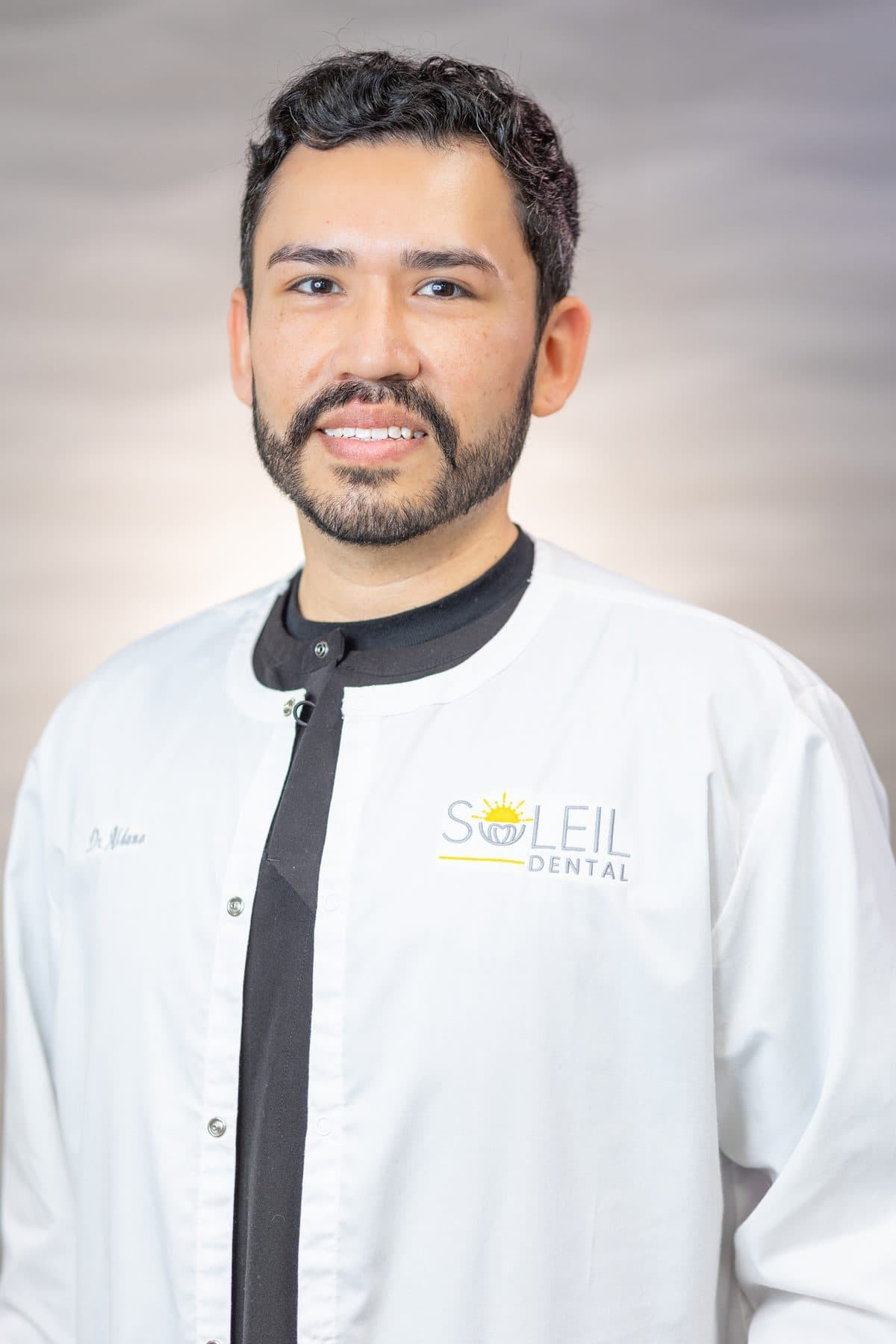 Dr. Jose AldanaCo-owner. UNT and Texas A&M Baylor College of Dentistry.
 Dr. Diana VazquezCo-owner. SMU and Baylor College of Dentistry.
Both doctors see emergency patients. Nitrous oxide is available if you're anxious.
Questions
What people ask.
Can you see me today?
How much is an emergency visit?
What if it happens on a weekend?
Do you treat emergencies for new patients?
Is a toothache an emergency?
Should I go to the ER for a toothache?
Do you see kids for dental emergencies?
Can I get nitrous oxide if I'm nervous?
Can you help in Spanish?
Keep exploring
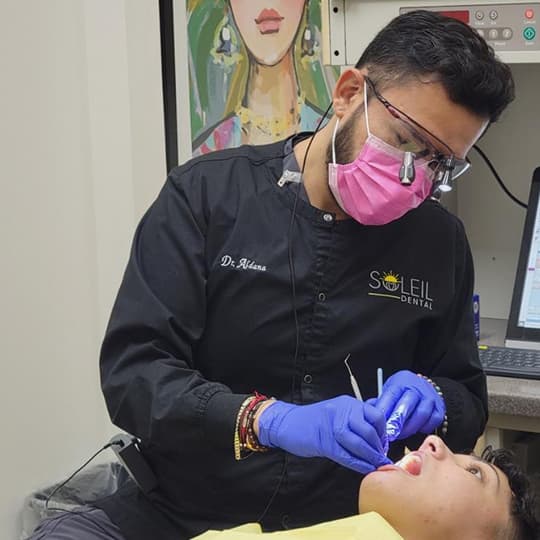 Root canalNumbed, careful treatment that ends the ache and saves the tooth.
- Tooth extractionsSimple and surgical extractions, numbing first, with a plan for what's next.
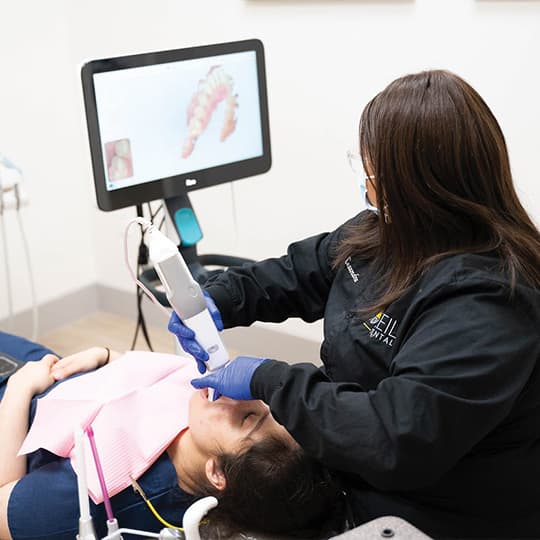 Crowns and fillingsTooth-colored fillings and crowns, with the problem shown on screen first.
 Wisdom teeth removalAn honest keep or remove answer, and recovery one day at a time.