Smile studio
Porcelain veneers, made to look like your best teeth.
Veneers are thin shells of porcelain bonded to the front of your teeth. They cover chips, gaps, stubborn stains and uneven shapes, and when they're planned well, nobody can tell. For some people that means one or two veneers. For others it's the whole smile line.
What are porcelain veneers?
A veneer is a custom shell of porcelain, about as thin as a contact lens at the edges, made for one tooth and bonded to its front surface. Porcelain reflects light a lot like enamel does, so a well-made veneer looks like a tooth, not like something on a tooth.
Veneers change the part of the tooth people see: color, shape, length and the little gaps between teeth. They don't move teeth and they don't fix a weak or broken tooth underneath. That's a job for Invisalign or a crown, and part of a good plan is knowing the difference.
What can veneers fix?
Veneers are the right tool when the problem is the look of the tooth itself, not its position or strength:
- Chipped or worn edges
- Small gaps between front teeth
- Stains that whitening doesn't move, including some deep or uneven discoloration
- Teeth that are uneven, too short or oddly shaped
- Mildly crooked front teeth, when you'd rather not do aligners (we'll show you the tradeoff)
- An old, dark filling or bonding on a front tooth that no longer matches
Veneers, bonding or whitening: which one do you need?
Whitening is the simplest. It brightens your natural teeth and costs the least, but it only changes color. Shape, chips and gaps stay the same, and it won't lighten crowns, fillings or veneers.
Cosmetic bonding uses tooth-colored resin, sculpted right on the tooth in one visit, usually with little or no drilling. It's the faster, more affordable fix for a small chip or gap. The tradeoff: resin can pick up stains over time and usually needs touching up sooner than porcelain.
Porcelain veneers take a couple of weeks and cost more, but they change color, shape and length all at once, resist stains well, and can last well over a decade with good care. If you want a lasting change to several front teeth, veneers are usually the better investment.
Plenty of smiles use more than one. A common plan is whitening first, then veneers or bonding matched to your new shade. We'll show you the simplest version that gets you where you want to go.
Are you a good candidate for veneers?
Most people with healthy front teeth who want a change in color or shape are good candidates. A few things we check first:
- Healthy gums and no active cavities. We treat those first so veneers sit on a solid base
- Enough enamel for porcelain to bond well
- Your bite and any grinding or clenching, since heavy grinding can chip porcelain without a nightguard
- Whether crowding is the real issue. Straightening first can mean fewer veneers, or none
How do you get veneers? The test drive
It starts with a consult: photos, a digital scan and a real conversation about what you want. Bring pictures of smiles you like. We plan the shape, length and shade with you.
At the next visit, the teeth are numbed and we gently shape them to make room for porcelain. Then you get provisional veneers. They're a preview of the shape and length we planned, so you can live with them, smile at yourself, show your friends, and tell us what you'd change. The lab makes your final porcelain from that feedback.
Your impressions are digital, so no trays of putty. The lab usually needs a couple of weeks. At your last visit we bond the final veneers, polish the edges and check your bite. Most people need about three visits over two to three weeks.
Planning around a wedding or a big event? Start a month or two out, so there's time for whitening, the provisionals and any tweaks without cutting it close.
Straight talk before you commit
To make room for porcelain, we remove a thin layer of enamel from the front of each tooth. That part can't be undone, which means that tooth will always need a veneer or other covering. That's why we plan carefully and never rush it. If whitening or Invisalign can get you where you want to go, we'll say so.
Veneers also don't stop cavities. The edges where porcelain meets tooth need the same brushing and flossing as the rest of your mouth.
How long do veneers last?
With good care, porcelain veneers can last well over a decade. The things that shorten their life are mostly habits: biting nails, pens or ice, opening packages with your teeth, and grinding at night.
Brush and floss like normal, keep your checkups, and if you grind, wear a nightguard. That one step protects your investment more than anything else. Porcelain resists coffee and red wine stains well, though the edges can still pick up some color, so regular cleanings keep everything looking even.
If a veneer ever chips, cracks or feels loose, call us and save any pieces. Small chips can sometimes be polished or repaired. Bigger damage usually means a new veneer.
How much do veneers cost?
Veneers are priced per tooth, and the total depends on your plan. You'll have the full number in writing after your consult, before we start. What moves the price:
- How many teeth show when you smile and how many you want to change
- Prep work first, like whitening, gum treatment or replacing old fillings
- Whether bonding can handle some teeth instead of porcelain
- A nightguard afterward if you grind
Does insurance cover veneers?
Usually not, since veneers are considered cosmetic. There can be exceptions when a tooth is broken or damaged, and sometimes a crown is the better, covered option for that tooth. We check your plan and tell you what applies.
Sunbit and Cherry offer monthly payment plans. No insurance? The Sunshine Membership is $119 a year and takes 20 to 30% off treatment, depending on the procedure (conditions apply).
How it goes
Plan
Consult, photos and a digital scan. We design shape and shade with you.
Prepare
A numbed, gentle visit to shape the teeth, then your provisional veneers.
Place
About two weeks later we bond your final porcelain and check your bite.
What it costs
Veneers are priced per tooth after your consult, and you'll have the full number in writing before we start. Most PPO plans help with part of the cost. We check your benefits before treatment, and Sunbit and Cherry offer monthly payment plans. No insurance? The Sunshine Membership is $119 a year and takes 20 to 30% off treatment, depending on the procedure (conditions apply).
Insurance and financingYour dentists
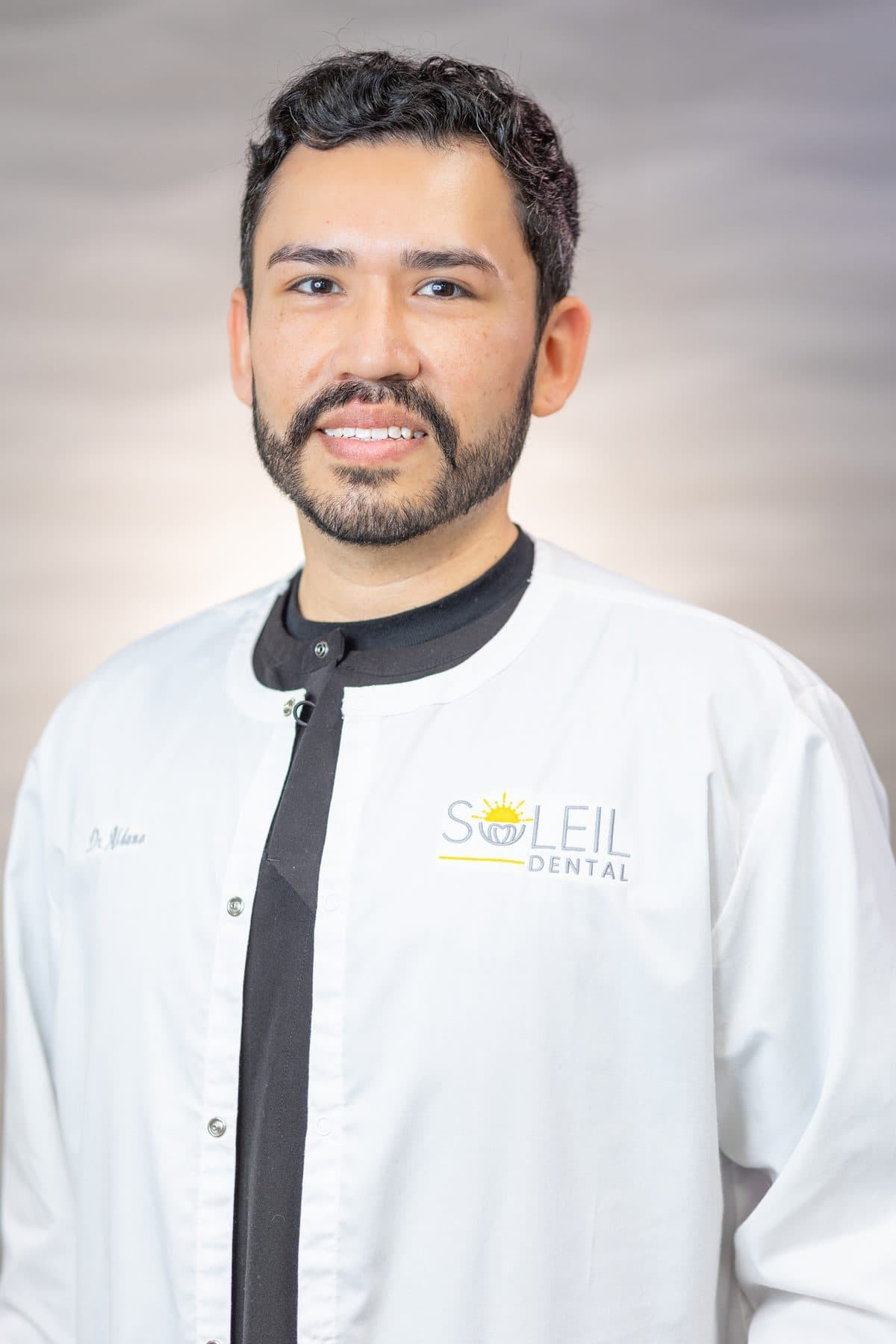 Dr. Jose AldanaCo-owner. UNT and Texas A&M Baylor College of Dentistry.
 Dr. Diana VazquezCo-owner. SMU and Baylor College of Dentistry.
Both doctors place veneers. Your consult is with the doctor who'll see your case through.
Questions
What people ask.
Do veneers hurt?
Should I whiten before veneers?
How many veneers will I need?
How long do veneers last?
Can I get just one veneer?
Are veneers permanent?
Do veneers feel like real teeth?
Is there anything I can't eat with veneers?
How do I pick the right shade?
What's the difference between veneers and crowns?
Keep exploring
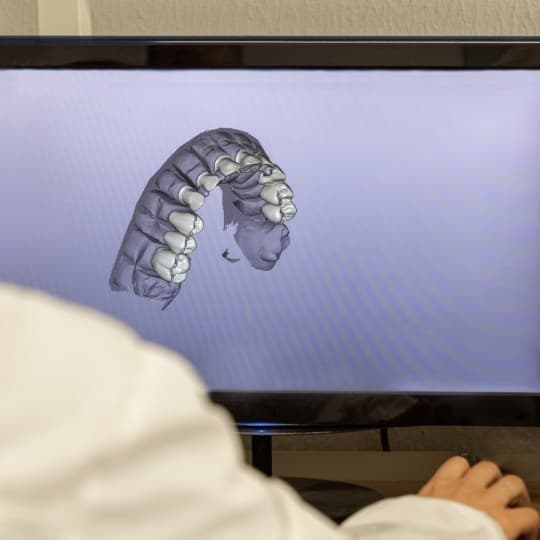 Cosmetic dentistrySmile design that starts with what you want to see.
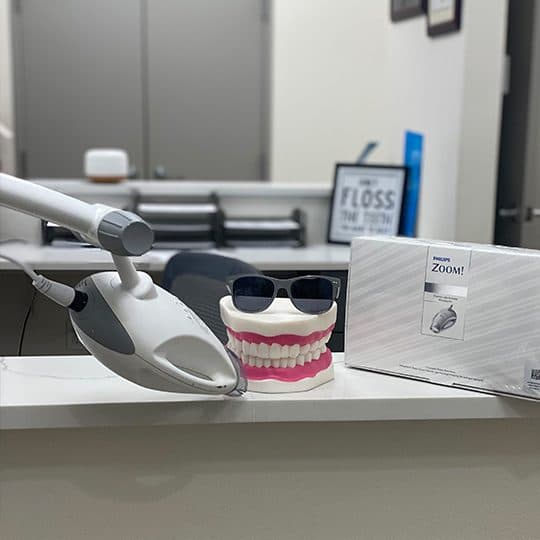 Teeth whiteningZOOM in the chair in about an hour, or custom trays at home.
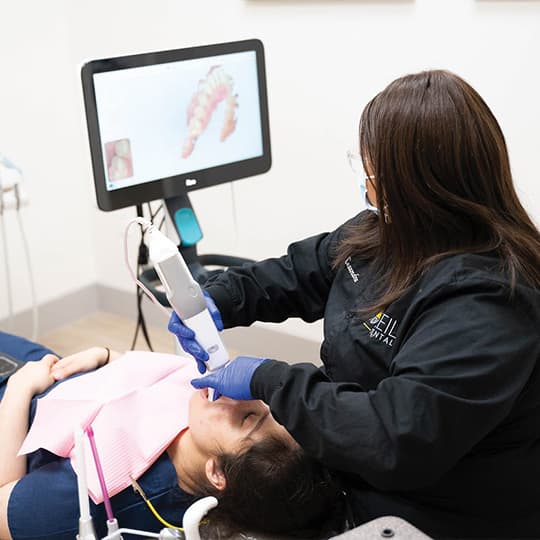 Crowns and fillingsTooth-colored fillings and crowns, with the problem shown on screen first.
 InvisalignClear aligners from a Gold Plus provider, planned by your dentist.