Repair
Fix the tooth, keep the smile looking like you.
Enamel is the strongest substance in your body, but it can't repair itself once it cracks or decays. Cavities, cracks and worn-down teeth are the most common things we fix. At Soleil we use tooth-colored fillings and a range of crown materials, and we show you the problem on screen first, so you know exactly why a tooth needs work and what your choices are. Both doctors do fillings, crowns and root canals right here.

Filling or crown: which does my tooth need?
It comes down to how much healthy tooth is left. A filling repairs a small or medium cavity, or a small chip, by replacing the damaged part with tooth-colored material. A crown covers the whole visible tooth when there isn't enough strong structure left for a filling to hold.
We'll show you intraoral photos and x-rays of the tooth so you can see the cavity or crack yourself, then explain why we're recommending one over the other. If there's more than one reasonable option, we'll say so.
Tooth-colored fillings
We've switched from silver fillings to composite resin, a blend of fine glass particles and resin that bonds to the tooth to support and strengthen it, and is shaded to match it. Nobody sees a filling when you laugh, and because the material bonds, we can often remove less healthy tooth to place it. A small cavity caught early usually needs nothing more than this.
Most fillings take one visit. We numb the tooth, clean out the decay, build the filling up in thin layers, harden each layer with a curing light, and polish it so your bite feels normal. You can eat once the numbness wears off.
What about my old silver fillings?
There's no need to replace a silver filling that's intact and healthy. But older fillings can crack, leak at the edges or let decay sneak in underneath. If we see that on your x-rays or photos, we'll show you and talk about replacing it with a tooth-colored filling or, if the tooth has been weakened, a crown.
When does a tooth need a crown?
A crown fits over the whole tooth. It seals out the bacteria that cause decay and infection, and protects the tooth from the force of your bite. We usually recommend one when:
- A cavity or old filling is too big for a new filling to last
- A tooth is cracked, or a corner of it has broken off
- A back tooth has had a root canal and needs protection from chewing forces
- A tooth is badly worn down from grinding
- It's anchoring a bridge, or sitting on top of an implant
Crown materials: what are my options?
Every crown balances looks and strength. Zirconia, E.max and porcelain are all metal-free and made to match your natural teeth. We offer several materials and help you pick the right one for the tooth:
- Zirconia: very strong and tooth-colored, a good choice for back teeth and for people who grind
- E.max: a glass ceramic with natural-looking translucency, popular for front teeth
- Porcelain: lifelike color for the teeth people see most
- Porcelain fused to metal: a tooth-colored surface over a metal base
- Gold: very durable and gentle on the teeth it bites against, when looks matter less
How getting a crown works
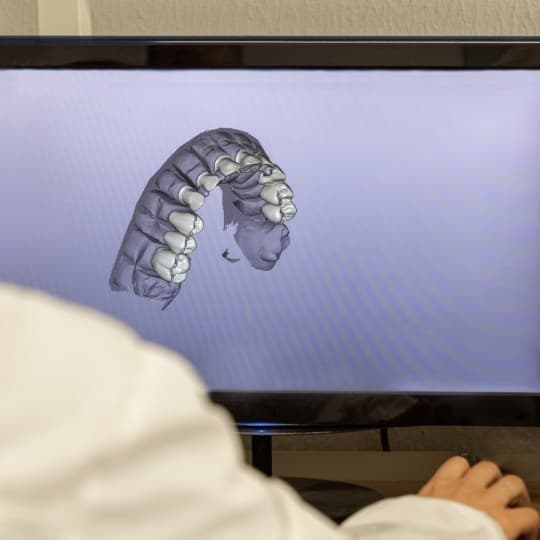
A crown usually takes two visits. First we numb the tooth, remove any decay and shape it so the crown can slip over it. Instead of a tray of impression putty, we take a quick digital scan. You leave with a temporary crown while a dental lab crafts the final one.
At the second visit, typically a couple of weeks later, we remove the temporary, check the new crown's fit, color and bite, and bond it in place. Be gentle with the temporary in between: skip sticky foods, and call us if it comes off.
Making fillings and crowns last
Fillings and crowns can't decay, but the tooth around them can, especially at the edges. Brush twice a day with fluoride toothpaste, floss daily and keep your six-month checkups, where we look closely at every restoration you have.
If you grind or clench, a custom nightguard protects your crowns and fillings along with your natural teeth. Chewing ice, opening packages with your teeth and biting pens are hard on everything. With good care, many crowns last ten years or more.
Why it's worth fixing a cavity early
Small cavities don't usually hurt, which makes them easy to put off. The trouble is that decay keeps going. A spot that needs a small filling today can need a crown next year, or a root canal once it reaches the nerve. Catching it early is the simplest and least expensive route.
If a tooth already hurts, stays sensitive to hot or cold for more than a few seconds, or you broke a piece off, call us. Same-day emergency visits when we can, during office hours.
How it goes
Look
X-rays and intraoral photos on screen, with your options and cost.
Numb
The tooth is numbed so you feel pressure, not pain. Nitrous is available.
Repair
Fillings are done in one visit. Crowns get a digital scan and a temporary.
Finish
Your crown is checked, adjusted and bonded at a second visit.
What it costs
A filling's cost depends on its size and how many surfaces of the tooth it covers. A crown's cost depends on the material and whether the tooth needs a build-up underneath. You'll know the price before we start. Most PPO plans help with part of the cost. We check your benefits before treatment, and Sunbit and Cherry offer monthly payment plans. No insurance? The Sunshine Membership is $119 a year and takes 20 to 30% off treatment, depending on the procedure (conditions apply).
Insurance and financingYour dentists
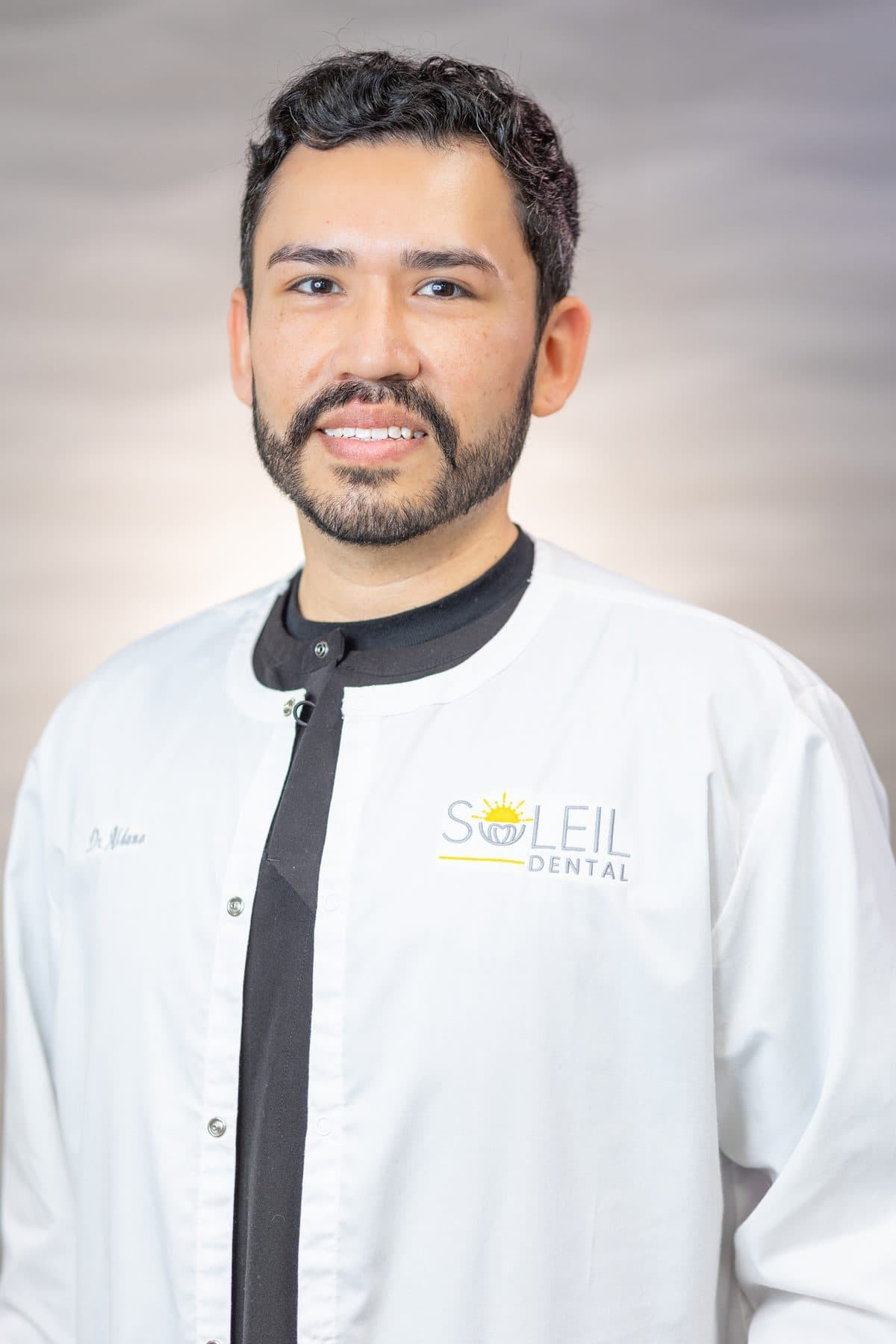 Dr. Jose AldanaCo-owner. UNT and Texas A&M Baylor College of Dentistry.
 Dr. Diana VazquezCo-owner. SMU and Baylor College of Dentistry.
Both doctors do fillings, crowns and root canals, so you can usually stay with the dentist you already know. They'll talk through material choices with you so the result looks right and holds up.
Questions
What people ask.
Do fillings hurt?
How long do tooth-colored fillings last?
Can I eat right after a filling?
How long does it take to get a crown?
Do you make same-day crowns?
Do you have metal-free crowns?
Are metal-free crowns strong enough for back teeth?
Does insurance cover crowns and fillings?
What if my crown or filling falls out?
Keep exploring
 Root canalNumbed, careful treatment that ends the ache and saves the tooth.
 Dental bridgesA fixed bridge for one to three missing teeth, on crowns or implants.
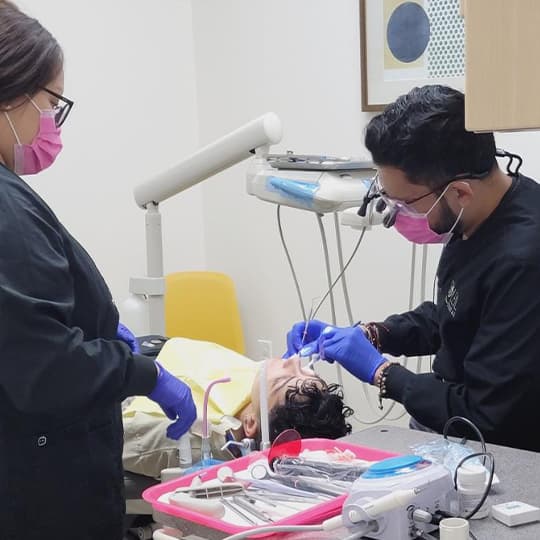 Checkups and general dentistryCleanings, exams, fillings and the small fixes that keep it easy.
 Cosmetic dentistrySmile design that starts with what you want to see.