Smile studio · Braces and aligners
Braces or aligners? We do both, so we can be honest.
Straight teeth look good, but they also bite better and are easier to keep clean. At Soleil you can straighten your teeth with traditional Straight-Wire braces or Invisalign clear aligners, planned by the same bilingual dentists who handle the rest of your care. Because we offer both, we recommend what fits your teeth, not whatever we happen to sell.

Who can benefit from orthodontics?
Orthodontics isn't just for teenagers. Teeth can move at almost any age as long as the gums and bone around them are healthy, and many adults straighten their teeth for the first time, or the second, well into their 30s, 40s and beyond.
The most common reasons people come to us:
- Crowded or overlapping teeth that are hard to floss
- Gaps between teeth
- An overbite, underbite, crossbite or open bite
- Teeth that shifted back after braces as a kid
- A bite that wears teeth down unevenly or strains the jaw
- Lining teeth up before veneers, crowns or an implant
How traditional braces work
Braces use a small bracket bonded to each tooth and a thin wire that links them. The wire applies steady, gentle pressure, and over months the teeth move into place. We use Straight-Wire braces, a system where each bracket is shaped to guide its own tooth, so the wire can do more of the work with fewer bends along the way.
Braces stay on the whole time, and that's their big advantage: they work around the clock without you having to remember anything. They also give fine control for bigger bite corrections and for teeth that need to rotate or move up or down a lot. Expect a visit about once a month for adjustments.
How Invisalign clear aligners work
Invisalign uses a series of clear, removable trays. Each set moves your teeth a small step, and you switch to the next set about every two weeks. You wear them 20 to 22 hours a day and take them out to eat, drink anything other than water, brush and floss. Check-ins are every 6 to 8 weeks and are usually short.
Soleil is an Invisalign Gold Plus provider for 2025. Our Invisalign page has the full rundown on life with aligners.
Braces vs. Invisalign: which is right for you?
Neither one is better for everyone. Here's how they compare day to day:
- Look: aligners are nearly invisible; braces show, though plenty of people don't mind
- Wear: braces work on their own, all day and night; aligners only work when they're in, 20 to 22 hours a day
- Food: with braces you avoid hard, sticky and chewy foods; with aligners you eat anything, then brush before they go back in
- Cleaning: brushing and flossing around brackets takes more time; aligners come out, so your routine stays normal
- Visits: braces usually mean monthly adjustments; aligners mean a check-in every 6 to 8 weeks
- Tough bites: braces often have the edge for big corrections, though aligners handle more than most people expect
How long do braces take?
It depends on how far your teeth need to move. Traditional braces are often worn for about 18 to 24 months, and complex cases can take longer. Many Invisalign cases finish in about 12 to 18 months. Your plan gives you a personal estimate before you commit, and we update it as we go.
The biggest thing you control is consistency: keeping aligners in, keeping appointments, and not breaking brackets on hard food. Those three keep a case on schedule.
Can you combine braces and aligners?
Sometimes, yes. For a hard bite, a hybrid plan can start with braces to do the heavy lifting, then switch to clear aligners to finish more discreetly.
And if your teeth have drifted since braces years ago, usually because the retainer ended up in a drawer, aligners are often a simple way to bring them back without starting over with brackets.
Braces for kids and teens
We see children and teens as well as adults. At regular checkups we watch how the bite and the adult teeth are coming in, and we'll tell you when it's worth a closer look. If a child's case is better suited to an orthodontic specialist, we'll say so and help with the referral.
For teens, the choice between braces and aligners often comes down to one honest question: will the aligners really stay in 20 to 22 hours a day? Braces take that question off the table. We'll help you and your teen decide.
Retainers: keeping your teeth where they belong
Teeth want to drift back after they've moved, especially in the first year. That's why every case ends with retainers, and why wearing them as directed is part of the treatment, not an extra. We'll show you how and when to wear yours, and how to keep them clean.
Getting started
Consult
We check your bite, teeth and gums, and talk about what you want.
Scan
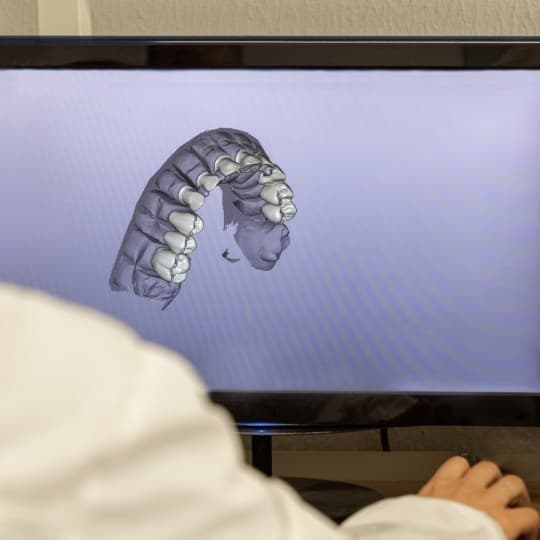
A digital scan and x-rays. No trays of impression putty.
Choose
Braces, aligners or both, with timing and cost side by side.
Start
Brackets placed or first aligners fitted, plus your check-in schedule.
What it costs
Orthodontic cost depends on how complex your case is and whether you choose braces or aligners. If both fit your teeth, you'll see both prices side by side at your consult. Some dental plans include an orthodontic benefit, and we'll check yours. Most PPO plans help with part of the cost. We check your benefits before treatment, and Sunbit and Cherry offer monthly payment plans. No insurance? The Sunshine Membership is $119 a year and takes 20 to 30% off treatment, depending on the procedure (conditions apply).
Insurance and financingYour dentists
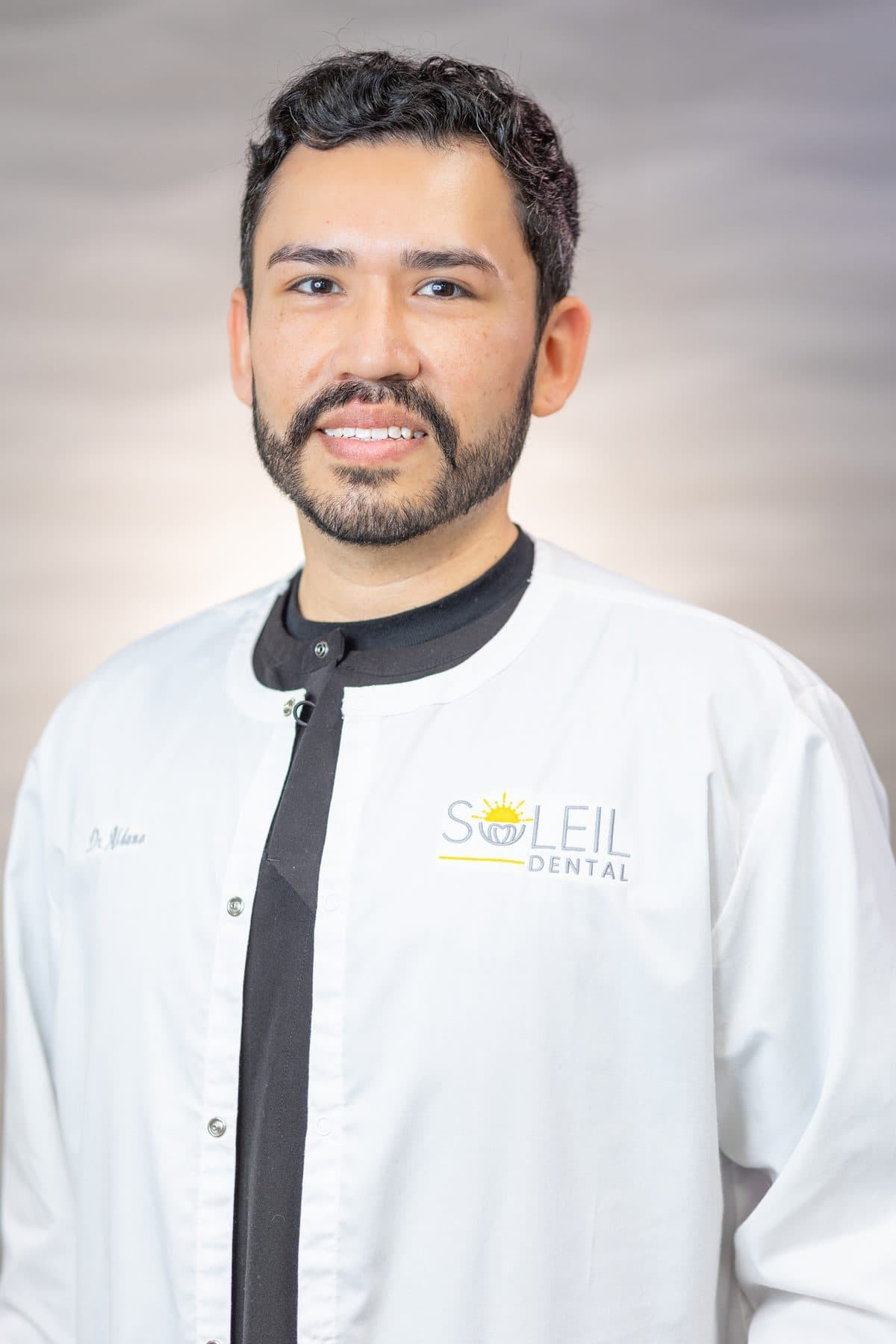 Dr. Jose AldanaCo-owner. UNT and Texas A&M Baylor College of Dentistry.
 Dr. Diana VazquezCo-owner. SMU and Baylor College of Dentistry.
Both doctors offer Invisalign and braces, and they'll talk through both options with you honestly.
Questions
What people ask.
Are braces or Invisalign faster?
Am I too old for braces?
Do braces hurt?
What can't I eat with braces?
How often are braces appointments?
Does insurance cover braces?
Can orthodontics help with jaw pain?
Can I get braces if I have crowns or missing teeth?
Do I need to wear a retainer forever?
Keep exploring
 InvisalignClear aligners from a Gold Plus provider, planned by your dentist.
 Cosmetic dentistrySmile design that starts with what you want to see.
 TMJ and jaw painClicking, clenching or a sore jaw, eased with a custom splint.
 Children's dentistryGentle first visits so kids grow up fine with the dentist.