The short answer
Bonding is tooth-colored resin sculpted onto your tooth and hardened with a light, usually in one visit with little or no enamel removed. It costs less upfront but stains and chips more easily. Porcelain veneers are thin lab-made shells. They take a few visits and permanently reshape some enamel, but they resist stains and can last well over a decade with good care. Small fixes lean bonding. Bigger changes lean veneers.
On this page11
What's the difference between veneers and bonding?
Both treatments change the part of a tooth people see when you smile. The real difference is what they're made of and where they're made.
Bonding happens entirely in the chair. Your dentist brushes on a tooth-colored resin, shapes it by hand, hardens each layer with a small blue curing light, then polishes it until it blends with the enamel around it.
A porcelain veneer is made outside your mouth. After a thin layer of enamel is reshaped, a scan of your teeth goes to a dental lab, where a technician builds a porcelain shell for that one tooth. It's then bonded to the front surface. Porcelain is hard and glass-like, so it keeps its shine and color in a way resin can't quite match.
Veneers vs. bonding: how do they compare?
The quick version. Your own teeth, bite and habits can shift any line of this.
| Bonding | Porcelain veneers | |
|---|---|---|
| Look | Natural when done well; shine can fade | Lifelike, with a shine that lasts |
| Stain | Picks up coffee and wine over time | Resists stain well |
| Strength | Can chip; touch-ups come sooner | Strong once bonded; can still chip |
| Tooth prep | Little or none; often reversible | Thin enamel layer removed; permanent |
| Visits | Usually one | Usually two or three |
| Upfront cost | Lower | Higher |
| Upkeep | Polishing, repairs, a redo someday | Normal care; night guard if you grind |
Neither one wins across the board. Bonding wins on speed, cost and saving your enamel. Veneers win on durability, stain resistance and how much they can change at once.
Which fixes a chip, a gap or a dark tooth best?
The right pick usually comes down to how much you want to change and how many teeth are involved. Here's how it tends to shake out:
- One small chip: bonding, most of the time. It's quick, costs less and leaves your enamel alone.
- A small gap between the front teeth: bonding can widen the teeth on either side just enough to close it. A bigger gap may look better with veneers, or with aligners first.
- One dark tooth: resin has a hard time hiding deep gray, so a veneer, or sometimes a crown, usually covers it more convincingly.
- Worn or uneven edges: bonding for a few teeth, veneers when the wear runs across your whole smile.
- Many front teeth at once: usually veneers. Bonding six or eight teeth means a lot of upkeep later.
- Shape and color together: veneers, since they reset both at once and keep that color.
These are tendencies, not rules. A good dentist explains why one option fits your teeth, not just which one to buy.
What happens at a bonding appointment?
For most bonding, you're done in one visit. Many people don't need numbing at all, because little or no enamel comes off. The surface is lightly roughened and treated so the resin grips, then the resin goes on in thin layers, each one hardened by the light in a few seconds.
The last part is shaping and polishing, and that's where the skill shows. Good bonding copies the small ridges and slightly see-through edge of a natural tooth. You check it in a mirror before you leave, and small tweaks are easy while you're still in the chair.
The resin is fully hardened before you go, so you can usually eat the same day. Follow the aftercare your own dentist gives you.
What are the steps for porcelain veneers?
Veneers take more planning because a lab is involved. Here's how porcelain veneers usually come together at our Oak Lawn office:
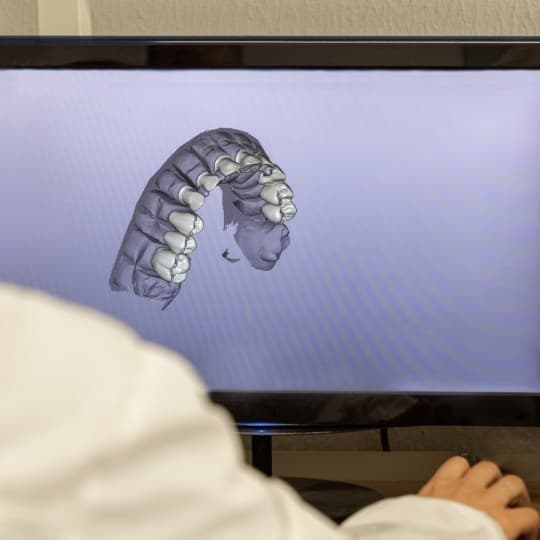
- Consult: you tell us what bothers you, we take photos and a digital scan, and you see your teeth on screen. No trays of putty.
- Preparation: the teeth are numbed and a thin layer of enamel is reshaped so the porcelain sits flush instead of bulky.
- Scan to the lab: a fresh digital scan goes to the dental lab, which usually needs a couple of weeks.
- Temporaries: you wear provisional veneers in the planned shape. Treat them as a test drive and speak up about length, shape or shade.
- Final visit: the porcelain is checked for fit and color, bonded in place, and your bite is adjusted.
Temporaries are weaker than the finished porcelain, so be gentle with them. Skip sticky candy, and don't bite into apples or crusty bread with your front teeth until the finals are on. Both of our dentists do bonding and veneers, in English or Spanish.
How long does bonding last compared to veneers?
Porcelain veneers can last well over a decade with good care. Bonding usually needs attention sooner. Resin is softer and a bit more porous, so over the years it can dull, pick up stain at the edges or chip. Most people should expect polishing, a repair or a redo somewhere down the road. How soon depends on your bite, your habits and which tooth it's on.
Both last longest with the same routine:
- Brush twice a day with a soft brush. Very gritty whitening pastes can dull resin over time.
- Floss every day, especially where the edge meets your tooth near the gum.
- Don't use your front teeth as tools: no ice, pens, fingernails or packaging.
- Wear a night guard if you clench or grind.
- Keep your cleanings, and remind your hygienist which teeth have bonding or veneers.
Is bonding cheaper than veneers?
Upfront, yes. Bonding usually costs noticeably less per tooth than porcelain, and it's often finished in one visit. Veneers cost more because of the lab, the extra visits and the material itself.
The long-term math can land differently. Several touch-ups and an eventual redo add up, while a well-kept veneer may go years without needing anything. For one small chip, bonding is almost always the better value. For a whole row of front teeth, the gap narrows. We'll price both for your teeth so you can compare on paper.
Insurance usually treats both as cosmetic, so most plans don't pay for them. There can be exceptions when bonding repairs a broken or damaged tooth instead of only changing its look. It depends on your plan, and we check your benefits before you commit.
To spread out the cost, Sunbit and Cherry offer monthly payment plans. No insurance? The Sunshine Membership is $119 a year and includes 20 to 30% off treatment depending on the procedure, with conditions. Ask how it applies to cosmetic work before you count on it.
Should you whiten before veneers or bonding?
Yes, if you want your teeth any brighter. Neither porcelain nor resin changes color once it's placed, and whitening won't lighten them later. Bond a tooth to your current shade and whiten afterward, and that tooth will suddenly look darker than its neighbors.
So the order is whiten first, give the color a couple of weeks to settle, then match bonding or veneers to your new shade. Our guide on what actually works for whitening walks through ZOOM, take-home trays and store options.
Can you mix veneers and bonding in one smile?
Often, yes. A common plan: veneers on the front teeth that show the most, and bonding on a side tooth with a small chip or a shape that needs evening out. You put the durability where it matters and save on the rest.
The catch is color. Porcelain and resin reflect light differently, so they have to be planned together, shade-matched under the same light and ideally placed around the same time.
When is neither veneers nor bonding the right fix?
Sometimes the honest answer is a different treatment first:
- Crowded or crooked teeth: covering them with veneers can mean removing more tooth. Moving them first with Invisalign may mean fewer veneers, or none.
- Cavities or gum disease: these get treated first. Cosmetic work placed over decay or inflamed gums doesn't hold up.
- Heavy grinding: it chips porcelain and wears down resin. A night guard becomes part of the plan, and severe wear may need a bigger look at your bite.
- A weak or heavily filled tooth: it may need a crown, which covers the whole tooth, instead of a veneer.
Questions people ask.
Does bonding or veneer prep hurt?
Can I switch from bonding to veneers later?
Will people be able to tell I had work done?
What happens if a bonded tooth or a veneer chips?
Are veneers the same as the shaved-down teeth I see online?
Should I wait until after Invisalign or braces?
This guide is general information, not a diagnosis. Every mouth is different, so the right plan for you starts with an exam. Reviewed by Dr. Diana Vazquez, .