The short answer
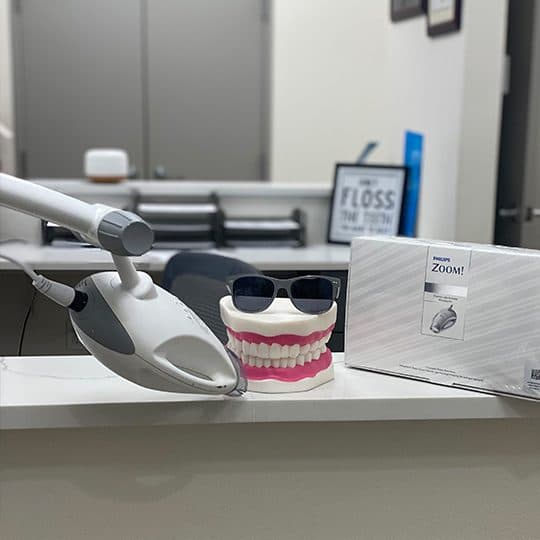
Yes, whitening works on natural teeth, especially yellow and surface stain. Peroxide gel breaks down the stain molecules in and on your enamel. In-office ZOOM gives the biggest change in about an hour. Custom trays get you there more gradually, and many people find them gentler. Store strips can help mild stain but coat unevenly. Whitening toothpaste mostly polishes the surface. Charcoal and lemon scrubs can wear enamel. Crowns, veneers and fillings don't whiten at all.
On this page11
How does teeth whitening actually work?
Real whitening uses a peroxide gel. The peroxide slips into the tiny pores of your enamel and breaks apart the stain molecules sitting there, so they reflect less color. Nothing is scraped or painted on. The tooth itself gets lighter.
It helps to know what kind of stain you have. Surface stain from coffee, tea, wine and tobacco sits on the outer enamel, and a cleaning or a gritty toothpaste can lift some of it. Deeper stain has worked its way inside the tooth over years, and only peroxide reaches that.
Color matters too. Yellow and light brown tones usually respond well. Gray or bluish tones tend to change less, and some never budge much at all. A quick look at your teeth in good light tells your dentist a lot about how far you're likely to get.
ZOOM vs. custom trays vs. strips: which works best?
All three use peroxide. What changes is the strength, how the gel is held against your teeth, and how much of it touches your gums.
| ZOOM in-office | Custom trays | Store strips | |
|---|---|---|---|
| Speed | About an hour | Usually 1 to 2 weeks | Slow, modest |
| How even | Very even | Even, fitted to you | Can miss edges and gaps |
| Gum contact | Gums covered first | Gel stays in the tray | Can touch gums |
| Sensitivity | Brief zings possible | Easiest to control | Varies |
| Cost | Highest | Middle | Lowest |
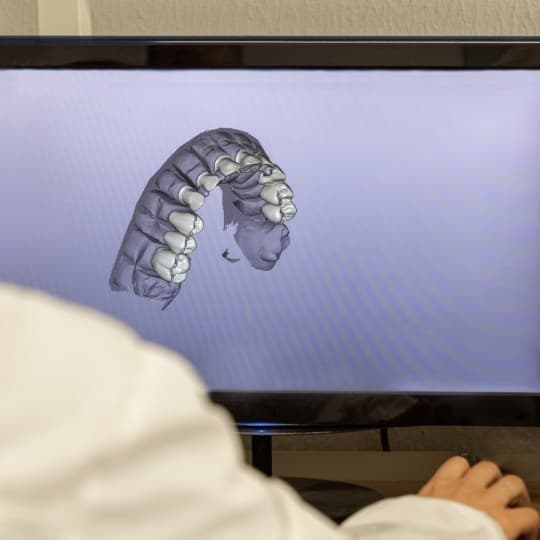
ZOOM suits you if you have a date coming or know you won't keep up a nightly routine. Trays suit you if you like going slowly or your teeth run sensitive. Strips are fine for a light refresh on teeth that are already fairly even. Both professional options are done at our Oak Lawn office, and trays are made from a digital scan, no putty.
Do strips, whitening toothpaste, LED kits and charcoal work?
Some store options help a little. Others can do real harm. An honest rundown:
- Whitening strips: can lighten mild surface stain. They're flat, so they often miss the curves near your gums and the spaces between teeth, which can leave a patchy look.
- Whitening toothpaste: mostly polishes off new surface stain. Good for upkeep, but it won't change your underlying shade much.
- At-home LED kits: results depend on the gel inside. A mild gel with a bright light is still a mild gel.
- Charcoal powders and pastes: be skeptical. They're abrasive, and wearing down enamel can let the yellower layer underneath show through more.
- Lemon, vinegar or baking soda scrubs: skip them. Acid softens enamel, and scrubbing softened enamel wears it away. Lost enamel doesn't grow back.
Why get a dental check before you whiten?
Whitening gel on a healthy tooth is one thing. Gel seeping into a cavity, a crack or a leaky old filling is another, and it can hurt. Exposed roots from gum recession are extra sensitive and don't whiten the way enamel does, so they can end up looking darker next to your brighter teeth.
Gum disease is the other reason to look first. Inflamed gums get irritated by peroxide, and cosmetic work is wasted if the foundation is sore. A checkup and cleaning also clears off tartar and surface stain, so the gel reaches clean enamel and you start from your true shade.
Why does whitening make teeth sensitive, and how do you prevent it?
For a short while, peroxide makes enamel a bit more porous, so hot and cold reach the nerve more easily. That's why some people feel quick, sharp zings during or after whitening. It usually fades within a day or two, and it doesn't mean anything is damaged.
A few things keep it mild:
- Brush with a sensitivity toothpaste for a week or two before you start.
- With trays, whiten every other day instead of daily, or wear them for a shorter stretch.
- Ask for a lower-strength gel if your teeth tend to be sensitive.
- Skip ice water and very hot coffee for the first day.
- If it's more than mild, stop and call us. Don't push through.
What can't teeth whitening fix?
Whitening only changes natural enamel. Crowns, veneers, bonding and tooth-colored fillings stay the shade they were made in. If you have any on your front teeth, whitening can leave them looking darker than the teeth around them, so plan for that before you start.
Some stains live deep inside the tooth, and whitening may soften them without erasing them. The usual ones: a single tooth that turned gray after an injury or a root canal, white or brown spots from too much fluoride in childhood, and banding from certain medications taken while teeth were forming.
For those, covering the tooth usually works better than bleaching it. Our guide to veneers vs. bonding explains how each one handles a dark or spotted tooth.
How long does whitening last, and how do you keep it bright?
For most people, results last several months to a couple of years. The big variable is what you drink. Coffee, tea, red wine, dark soda and tobacco all pull your shade back down over time. Habits that help:
- Rinse or sip water after coffee, tea or wine, so the color doesn't sit on your teeth.
- Use a straw for iced coffee, soda and dark juices.
- Eat something with your wine. Chewing makes saliva, which helps wash stain away.
- Wait a bit after acidic drinks before you brush, since enamel is softer right then.
- Keep your cleanings, which polish off new surface stain.
- Keep your custom trays for a quick touch-up a few times a year.
Who should wait before whitening?
Whitening is cosmetic, so there's no harm in waiting when the timing isn't right. We usually suggest holding off if you're pregnant or nursing, or for kids and younger teens whose teeth are still maturing.
Active cavities and gum disease come first, for the reasons above. If you're mid-orthodontics, it's usually best to wait until brackets or aligner attachments come off, so the color comes out even across each tooth.
When should you whiten before a wedding or event?
Aim to finish a week or two before the day. That leaves time for any sensitivity to settle and for your shade to even out, and you won't be testing anything new that week. ZOOM is the fastest route if you're short on time. With trays, start a few weeks out so you can go at an easy pace.
If bonding or veneers are part of your plan, whiten first and build the rest around your new shade. That takes longer, so bring your date to the first visit and we'll work backward from it.
How much does whitening cost, and does insurance cover it?
In general, store strips cost the least, custom trays are in the middle, and in-office ZOOM costs the most since you're paying for a professional visit and the fastest result. Trays have one quiet advantage: you keep them, so later touch-ups only need more gel.
Insurance usually doesn't cover whitening because it's cosmetic. To spread out the cost, Sunbit and Cherry offer monthly payment plans. Ask us for current prices on ZOOM and custom trays, and we'll help you pick the one that fits your teeth and your calendar.
Questions people ask.
Can teeth get too white?
What can I eat and drink right after whitening?
Why do I have white spots right after whitening?
Can I use my old trays or a friend's trays?
Will whitening fix the dark line near my gums?
Should I get a cleaning before whitening?
This guide is general information, not a diagnosis. Every mouth is different, so the right plan for you starts with an exam. Reviewed by Dr. Diana Vazquez, .